
 Home
Home  Booking
 Chat Now
  Call Us
 Blog
Use it smart
stay healthy.

Are You Using Coconut the Wrong Way? Here's How to Keep It Nutritious
 Medically reviewed by: Dr. Tom Babu, Consultant Diabetologist & Endocrinologist - Written by Riya Yacob - Updated on 30/10/2025
Coconut is a favourite for Keralites. We use it in gravies, curries, and thorans almost every day. From adding coconut milk to Kerala kadala (chickpea) curry with appam for breakfast, adding grated coconut in payaru thoran (green gram stir-fry) for lunch, to enjoying roasted coconut chutney with dosa for dinner, coconut plays an inevitable role in making our South Indian, Southeast Asian dishes flavorful. Its toasted, nutty, and savoury flavour improves curries, snacks, and rice dishes beautifully.
But there is something that many people don’t realize, and that is the way you use coconut. How you use coconut determines whether it remains healthy or not.
According to Neetha Pratheep, Senior Consultant – Nutrition & Dietetics at Silverline Hospital, coconut offers incredible nutrients, but it is important to note that its benefits can be lost when cooked or processed incorrectly. Especially for diabetic and heart patients, the method of coconut preparation makes all the difference.
In this blog, let's explore the healthy ways to eat coconut, learn about the nutritional impact of different preparations, and discover how to retain its natural goodness in your daily meals.
Is Coconut Healthy? Understanding Healthy Ways to Eat Coconut
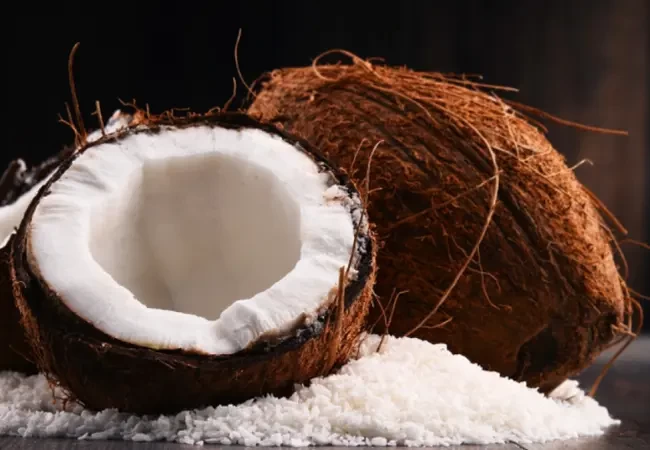
There is no doubt that coconut is a "superfood," and it is rightly so. Coconut is rich in healthy fats, dietary fiber, vitamins, and minerals like manganese, copper, as well as potassium. These nutrients support energy production, heart health, and digestion.
However, like all good things, moderation and preparation matter. The way coconut is used in cooking can either preserve or destroy its nutritional value. For example, eating raw or freshly grated coconut gives your body access to all its nutrients, while excessive heating can reduce its health benefits.
So, while coconut is healthy, how you use it determines whether it supports or harms your well-being.
What Happens When You Heat or Roast Coconut?
- Warming Coconut Reduces Its Nutritional Quality
Coconut contains healthy medium-chain fatty acids and antioxidants that support metabolism as well as heart function. But when you warm or overheat coconut, whether grated, dried, or in oil form, these natural compounds begin to break down. This reduces its nutritional value and also alters the healthy fats that your body needs.
- Roasting Coconut Causes Nutrient Loss
Roasted coconut has a delicious nutty flavour, but it loses some of its main nutrients during the process. Vitamins and natural oils degrade with high heat, and this leaves fewer health-promoting components. Over time, relying on roasted coconut can miss out important nutrients that fresh coconut provides.
- Coconut Milk Has Reduced Fiber Content
Coconut milk is creamy and rich, but it contains much less fiber than raw coconut. In coconut, fiber helps slow sugar absorption and improves digestion. So, while coconut milk adds good flavour to curries, it shouldn’t replace the fresh version in your diet.
These facts don’t mean you should avoid coconut altogether. Instead, you just need to choose healthier preparation methods that keep its natural goodness intact.
Coconut Nutrition Tips
If you are wondering how to enjoy coconut without losing its nutrients, here are some simple and practical coconut nutrition tips recommended by experts:
- Add Fresh Coconut After Cooking
Instead of frying or boiling it, sprinkle freshly grated coconut on dishes like thoran, aviyal, or vegetable stir-fries after turning off the flame. This helps retain most of its healthy fats and antioxidants.
- Pair Coconut with Balanced Meals
In Kerala, a common and healthy combination is puttu (steamed rice flour cake) with fresh coconut. This meal provides both fiber and energy without excess oil or sugar.
- Use Coconut Milk Wisely
Coconut milk can still be part of your diet if used moderately. It’s perfect for occasional dishes like kadala curry or vegetable stew. However, avoid consuming it too frequently if you have high cholesterol or diabetes.
- Limit Deep-Frying in Coconut Oil
Although coconut oil has become popular for its “healthy fat” profile, it is still calorie-dense. Using small amounts for sauteing is fine, but avoid deep-frying as it destroys the oil’s nutrients, adds unnecessary calories.
- Avoid Over-Roasting or Toasting
That crunchy, roasted coconut flavour might be tempting, but light toasting is better than full roasting. In a nutshell, the more you heat it, the more nutrients are lost.
- Combine with Other Whole Foods
Coconut blends very well with vegetables, lentils, as well as whole grains. So, combining it with these whole foods increases fiber and balances your overall nutrient intake.
Coconut for Diabetic and Heart Patients
Coconut is often misunderstood in diabetic diets. Many people believe that since it’s natural, it’s always safe but that’s not entirely true.
For diabetic patients, the type and quantity of coconut matter. Fresh coconut in small amounts provides fiber, which can actually help stabilize blood sugar. But consuming excess coconut oil or sweetened coconut milk can raise calorie and fat intake, leading to poor control over blood glucose.
For heart patients, consuming coconut only in moderation is very crucial. While coconut contains healthy fats, overconsumption can increase cholesterol levels. Choosing raw coconut as well as minimizing oil-based preparations helps keep the heart healthy without compromising taste.
Why Preparation Matters More Than You Think
It is important to note that coconut can provide energy, good fats, and fiber, but only if it’s treated gently. Heating, roasting, or excessive blending can strip away the very nutrients of coconut that make it special.
If you want to enjoy coconut in its healthiest form, use it as fresh, raw, or lightly added after cooking. Avoid over-processing or turning the coconut into high-fat products. Remember, the goal is not to remove coconut from your plate but to use it smartly.
Consult a Nutrition Expert for Personalized Guidance
Every person’s dietary needs are different. What works for one person may not be ideal for another, especially if you have medical conditions like diabetes, high cholesterol, or heart disease. That’s why it’s important to consult a qualified nutritionist or dietitian who can help you plan meals that include coconut in the healthiest way possible. If you are looking for trusted nutrition guidance and comprehensive health care, visit Silverline Hospital. Being the best hospital in Kerala for expert dietary consultation, diabetes management, and preventive care, Silverline Hospital can help. Our experienced specialists, including Neetha Pratheep, Senior Consultant – Nutrition & Dietetics, can help you make smart food choices that fit your lifestyle as well as health goals.
Conclusion
Coconut is one of nature’s most versatile and delicious foods, but how you prepare it decides whether it remains nutritious. Warming, roasting, or overusing coconut milk can reduce its nutrient content, while fresh coconut offers the most benefits. For a healthy diet, include coconut in moderation, add it after cooking, and pair it with balanced meals. Always remember, whether you are managing diabetes, watching your weight, or simply trying to eat better, small changes in how you use coconut can make a big difference.
Always seek guidance from your doctor or nutritionist before making major dietary changes. Stay informed, eat mindfully, and enjoy the real goodness of coconut. For expert advice and complete nutrition care, get in touch with Silverline Hospital.
FAQs
Q1: Is coconut healthy for everyone?
A1: Yes, coconut is healthy for everyone if consumed in moderation. Fresh A1: coconut provides healthy fats and fiber, but people with heart disease or diabetes should watch their intake.
Q2: What are the healthiest ways to eat coconut?
A2: Use fresh grated coconut after cooking, limit coconut oil, and enjoy coconut milk occasionally instead of daily.
Q3: Does roasting coconut make it unhealthy?
A3: Roasting reduces its nutrients, especially healthy fats and vitamins. Light toasting is fine, but avoid over-roasting.
Q4: Is coconut milk good for diabetics?
A4: In small amounts, yes. But since it has less fiber and more fat, it should be used sparingly.
Q5: Can coconut oil be used for cooking daily?
A5: Small quantities are fine, but avoid deep-frying. Excess oil increases calorie intake and cholesterol.
More Blogs
-

Don't Ignore the Tingling: Understanding Diabetes-Related Nerve Problems
Discover the signs of diabetic nerve damage, including tingling, numbness and burning feet. Learn about diagnosis, treatment and nerve care.
-

Can Hypothyroidism Cause Constipation? What You Need to Know
Learn how hypothyroidism causes constipation, which thyroid tests help diagnose it, and how treatment, fibre, hydration and lifestyle changes can help.
-

Hypothyroidism Symptoms: Is Constant Fatigue a Sign of Thyroid Problems?
Discover common hypothyroidism symptoms and learn when constant fatigue may be a sign of thyroid problems.
-

Recognizing Diabetes Symptoms: Early Signs and When to Get Tested
Learn about diabetes symptoms, early warning signs, common risk factors, and when to get tested. Understand what changes to watch for and why early testing can help with timely diagnosis and care.
-

Don't Ignore Hair Loss: Hormonal Changes and Thyroid Problems Could Be the Cause
Learn how hormonal changes and thyroid problems can cause hair loss, the signs to watch for, and when to seek medical evaluation.



Are You at Risk of Diabetes? Find Out Instantly
Early detection can make all the difference
Check My Risk Now!