
 Home
Home  Booking
 Chat Now
  Call Us
 Blog
Fat today
disease tomorrow

The Dangerous Connection Between Belly Fat, Diabetes, and Liver Damage
 Medically reviewed by: Dr. Tom Babu, Consultant Diabetologist & Endocrinologist - Written by Riya Yacob - Updated on 15/9/2025
Fatty liver disease is one of the fastest-growing health problems in the world today, affecting nearly 30% of people. For many years, fatty liver disease was thought to be harmless, but new medical research shows a very different story. It can progress into cirrhosis, hepatitis, and even liver cancer if not recognized and treated in time. There is a serious link between diabetes and fatty liver, which is why prevention and early treatment are so important.
What is Fatty Liver Disease?
Fatty liver disease happens when excess fat builds up in the liver, and while a small amount of fat is normal, too much can damage liver function. There are two main types:
- Alcohol-related fatty liver disease. This is caused by heavy alcohol use.
- Non-alcoholic fatty liver disease (NAFLD). This develops in people who drink little or no alcohol. NAFLD is now one of the most common liver problems worldwide, strongly linked with obesity, poor lifestyle, and diabetes.
Diabetes and Fatty Liver
Yes, the connection between diabetes and fatty liver is very strong. When a person has diabetes, their body struggles to manage blood sugar and insulin levels. Over time, this imbalance leads to fat being stored in the liver.
Dr. Tom Babu, Medical Director at Silverline Hospital, has shared a real case story. A 65-year-old woman who was both diabetic and obese but had never consumed alcohol in her life. Despite this, she developed fatty liver disease that went unnoticed for years. By the time it was diagnosed, the condition had already progressed to cirrhosis and eventually liver cancer. Dr. Tom highlighted that such cases are no longer rare. In fact, they are becoming alarmingly common in today’s world, showing how dangerous it can be to ignore fatty liver disease in diabetic patients.
This example shows that fatty liver disease is not only about alcohol. It can develop silently in people with diabetes and obesity, and this makes early detection essential.
Why Belly Fat Increases the Risk
Belly fat is more harmful than fat stored in other parts of the body. It surrounds vital organs, releases harmful chemicals, and worsens insulin resistance. This directly increases the chances of both diabetes and non-alcoholic fatty liver disease.
Dr. Shelley C Paul, Sr. Consultant - Gastroenterology, Silverline Hospital, explains that fatty liver was once thought to be a condition affecting only the liver. Today, however, it is clear that the disease is connected to many other health problems, particularly in people who are obese. She points out that poor metabolic health has a direct impact on the liver in ways that were not fully understood before. Thus, it makes fatty liver a far more complex and dangerous condition than previously believed.
Why Fatty Liver Disease is Dangerous
Fatty liver has no symptoms in the beginning, and many people find out only when it has already advanced. If left untreated, it can cause:
- Liver inflammation (hepatitis)
- Fibrosis (scarring of the liver)
- Cirrhosis which can lead to liver failure
- Liver cancer
The biggest danger is that most people do not realize they have the disease until it is too late.
Prevention and Early Diagnosis
You might already know that this disease, which is fatty liver, can be managed and even reversed if diagnosed early. Lifestyle changes also play the most important role in reversing liver disease. The following are different steps to prevent and manage fatty liver:
- Maintain a healthy weight. Make sure to reduce belly fat, as it lowers your risk of both diabetes and liver disease.
- Eat a balanced diet with a keen focus on vegetables, whole grains, lean proteins, and healthy fats.
- Try to exercise regularly. Remember that even 30 minutes of walking a day can make a big difference.
- Limit alcohol. Even though non-alcoholic fatty liver disease is not caused by alcohol, avoiding it reduces extra stress on the liver.
- Manage diabetes effectively by keeping blood sugar under control. This is very essential to protect your liver.
- Regular checkups are also important. Blood tests, ultrasound, and liver function tests help detect fatty liver before it becomes dangerous.
Expert Care for Obesity and Diabetes
At Silverline Hospital in Kochi, experts work together to provide specialized care for people dealing with fatty liver disease and diabetes. Our hospital offers advanced diagnostic tools, lifestyle guidance, and treatment plans for each patient.
If you are at risk or already experiencing symptoms, early consultation can make all the difference. To know more, visit Silverline Hospital.
Conclusion
The connection between belly fat, diabetes, and liver damage is serious and should never be ignored. Non-alcoholic fatty liver disease is rising worldwide, and diabetes makes it worse. The best way to protect your health is through prevention, early diagnosis, and medical guidance. If you have diabetes, obesity, or unexplained liver issues, consult a doctor immediately. With the right lifestyle changes and medical support, you can manage fatty liver disease and reduce the risk of long-term complications.
Frequently Asked Questions (FAQs)
- What is non-alcoholic fatty liver disease (NAFLD)?
Non-alcoholic fatty liver disease is a condition where fat builds up in the liver in people who drink little or no alcohol.
- How are diabetes and fatty liver connected?
Diabetes increases insulin resistance, which leads to fat being stored in the liver, raising the risk of fatty liver disease.
- Can fatty liver disease cause liver cancer?
Yes, if untreated, it can progress from fatty liver to cirrhosis and eventually to liver cancer.
- Is fatty liver disease reversible?
Yes, fatty liver can be reversed.

More Blogs
-
Don't Ignore the Tingling: Understanding Diabetes-Related Nerve Problems
Discover the signs of diabetic nerve damage, including tingling, numbness and burning feet. Learn about diagnosis, treatment and nerve care.
-
Can Hypothyroidism Cause Constipation? What You Need to Know
Learn how hypothyroidism causes constipation, which thyroid tests help diagnose it, and how treatment, fibre, hydration and lifestyle changes can help.
-
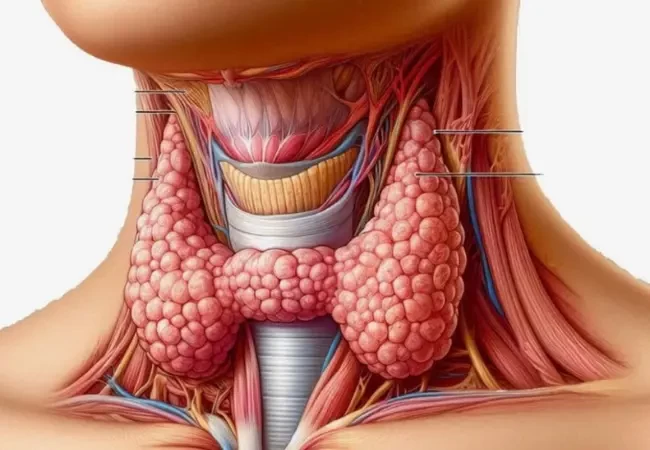
Hypothyroidism Symptoms: Is Constant Fatigue a Sign of Thyroid Problems?
Discover common hypothyroidism symptoms and learn when constant fatigue may be a sign of thyroid problems.
-
Recognizing Diabetes Symptoms: Early Signs and When to Get Tested
Learn about diabetes symptoms, early warning signs, common risk factors, and when to get tested. Understand what changes to watch for and why early testing can help with timely diagnosis and care.
-

Don't Ignore Hair Loss: Hormonal Changes and Thyroid Problems Could Be the Cause
Learn how hormonal changes and thyroid problems can cause hair loss, the signs to watch for, and when to seek medical evaluation.



Are You at Risk of Diabetes? Find Out Instantly
Early detection can make all the difference
Check My Risk Now!