
 Home
 Booking
 Chat Now
 Call Us
Blog
Weight Loss, Safely

GLP-1 Injections for Weight Loss: Safe Without Medical Supervision?
GLP-1 weight loss injections are safest when a doctor prescribes them and reviews progress regularly. A clinician checks whether the medicine suits your health history, selects the starting dose and adjusts it as your body responds. Medical guidance also helps with side effects and long-term planning, which is why the World Health Organization (WHO) advises prescription by qualified professionals.
Key Takeaways
- A prescription and regular follow-up make up the safest route for GLP-1 weight loss injections
- The WHO guideline recommends prescription by qualified professionals, with careful monitoring
- Side effects such as nausea and constipation are manageable when a doctor adjusts the dose gradually
- Healthy meals, physical activity and behavioural support work alongside the medicine
- Medicine from a licensed pharmacy carries clear labelling, strength and storage details
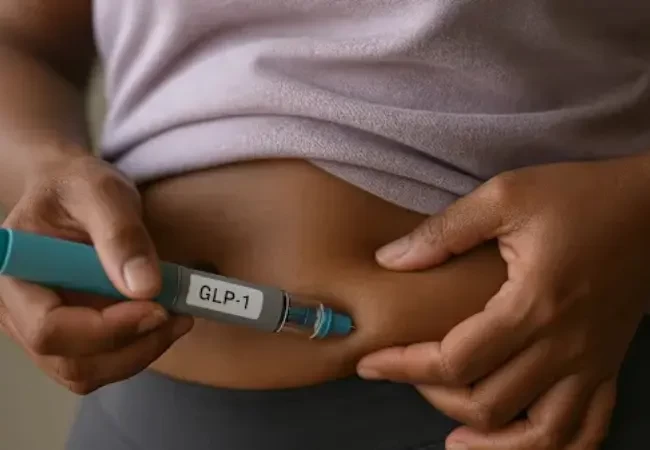
Interest in weight loss injections has grown quickly, and many people now wonder whether a prescription is really required. Medical supervision is important for several safety reasons. In this blog, we explain how GLP-1 weight loss injections work, what recent global guidance says, the risks of GLP-1 injections and how a supervised plan runs.
How GLP-1 Injections for Weight Loss Work
GLP-1 stands for glucagon-like peptide-1, a hormone naturally produced in the gut and released after eating. The medicines in this group copy its action. They slow the rate at which the stomach empties, so fullness lasts longer, and they influence appetite signals in the brain. Semaglutide, liraglutide and tirzepatide are the names most people hear. Doctors first used them for type 2 diabetes, and they are now prescribed for obesity as well, as WHO guidance summarised by Vikaspedia explains.
Weight loss may occur as appetite decreases and people feel satisfied with smaller portions. The injection supplies that support, while meals, movement and sleep still shape the final result.
Who is Considered for Treatment
Current WHO recommendations allow long-term use for adults with obesity, defined as a body mass index of 30 or above, once a medical practitioner has reviewed the person's history. The guideline leaves out pregnancy, since research on these medicines in pregnant women is yet to be carried out.
GLP-1 Drugs to Treat Obesity: WHO Guideline
On 1 December 2025, the World Health Organization released its first guideline on GLP-1 therapies for obesity. As per The Hindu report, WHO recommends GLP-1 medicines as a long-term treatment for adults with obesity, except during pregnancy. It advises using these medicines alongside a healthy diet and regular physical activity, while also highlighting the need for equitable access to treatment to help reduce the global burden of obesity.
Regulation in India
Indian health authorities addressed the topic in 2026. As Vikaspedia records, the Drugs Controller General of India (DCGI) has strengthened its monitoring of the unauthorised marketing and sale of these medicines, while emphasising that their use should be supervised by qualified healthcare professionals. Taking unsupervised weight loss injections therefore departs from both global and national guidance.
Risks of GLP-1 Injections to Understand Before Starting
Learning about GLP-1 medication safety begins with knowing what the medicine does to the body besides reducing appetite.
Common Side Effects
Nausea, vomiting, diarrhoea, constipation and stomach discomfort are reported most. They usually appear when treatment starts or when the dose goes up. A clinician can slow the pace of dose increases, suggest changes to meals and advise on fluids, which keeps these effects manageable.
Less Frequent Concerns
In some cases, these medicines may also lead to gallbladder complications or pancreatic inflammation. Dehydration can follow prolonged vomiting or diarrhoea. People who take diabetes medicines may see blood sugar fall lower than intended. Recognising early warning signs, such as severe stomach pain, is part of what regular follow-up is for.
Medical History
Doctors ask about pregnancy or plans to conceive, pancreatitis, gallbladder disease, kidney health, certain thyroid conditions and every medicine currently in use. These questions are answered during a consultation, so the doctor reviews these factors during the consultation before deciding whether treatment is appropriate.
Product Quality and Storage
Prescribed medicine from a licensed pharmacy arrives with batch details, a labelled strength and storage instructions. Products from informal sellers can differ in strength or handling, which affects both safety and results. This is one practical reason why GLP-1 medication safety relies on a prescription.
Supervised and Unsupervised Use Compared
| Area | With Medical Supervision | Unsupervised Use |
| Suitability check | Doctor reviews history and current medicines | Self-assessed |
| Starting dose | Chosen by the clinician | Chosen by the user or the seller |
| Dose changes | Gradual, based on response | Self-directed |
| Side effects | Addressed at follow-up visits | Managed by the user alone |
| Medicine source | Licensed pharmacy with labelling | Varies by seller |
| Lifestyle support | Diet, activity and behavioural guidance | Self-planned |
| Long-term plan | Agreed with the care team | Decided individually |
GLP-1 Weight Loss Treatment Medical Supervision
Before the First Dose
The first visit covers height, weight, body mass index, medical history, blood pressure and, where relevant, blood tests. The doctor explains what to expect, how to inject, how to store the medicine and which symptoms deserve a call.
During Treatment
Follow-up appointments track weight, appetite, hydration and energy. Many plans begin with a small dose that rises step by step. Protein-rich meals, enough fluids and regular strength exercise help keep muscle while weight reduces. A dietitian can adapt meals to local food habits and personal taste.
After Reaching a Goal
WHO points to open questions about maintaining weight once treatment stops. A doctor therefore plans the next phase with the patient, which may include a lower dose, a pause or a continued maintenance approach.
Steps for Safer Use of GLP-1 Weight Loss Treatment
Follow these steps to use GLP-1 medicines safely under medical supervision:
- Book a consultation before buying any injection
- Share the full list of medicines, supplements and health conditions
- Collect the medicine only from a licensed pharmacy with a prescription
- Follow the dose schedule the doctor sets, and report side effects early
- Keep follow-up appointments, even when progress looks smooth
- Build meals and activity around the plan, as WHO recommends
Conclusion
GLP-1 medicines offer a recognised option for adults living with obesity, and the best outcomes come when a doctor selects the dose, monitors progress and supports lifestyle change. WHO and Indian regulators both advise prescription and professional guidance. Anyone considering GLP-1 injections for weight loss should discuss the benefits and risks with a qualified doctor before starting treatment.
If you are thinking about weight loss treatment, we are happy to review your health history, explain your options and build a plan around your needs. Visit Silverline Hospital to find our services and book a consultation with our doctors.
Frequently Asked Questions (FAQs)
Q1: Can I take GLP-1 injections for weight loss without a doctor?
A1: A doctor's guidance is the recommended route. WHO advises that GLP-1 medicines are prescribed by qualified professionals with careful monitoring, because suitability, dose and follow-up differ from person to person.
Q2: What side effects can GLP-1 weight loss injections cause?
A2: The most reported effects are nausea, vomiting, diarrhoea, constipation and stomach discomfort. They usually show up when treatment begins, or the dose rises. Your doctor can adjust the dose, suggest meal changes and advise on fluids. Less frequent concerns include gallbladder problems, pancreatitis and dehydration, so severe stomach pain or ongoing vomiting deserves a prompt call to your clinician.

More Blogs
-
.webp)
Excessive Hair Fall? Discover the Possible Link to Thyroid and Hormonal Imbalances
Excessive Hair Fall? Discover the Possible Link to Thyroid and Hormonal Imbalances
-
GLP-1 Injections for Weight Loss: What You Need to Know
Learn how GLP-1 injections support weight loss, who may benefit, potential risks, and why specialist supervision is essential for safe, long-term results.
-

Don't Ignore the Tingling: Understanding Diabetes-Related Nerve Problems
Discover the signs of diabetic nerve damage, including tingling, numbness and burning feet. Learn about diagnosis, treatment and nerve care.
-

Can Hypothyroidism Cause Constipation? What You Need to Know
Learn how hypothyroidism causes constipation, which thyroid tests help diagnose it, and how treatment, fibre, hydration and lifestyle changes can help.


Are You at Risk of Diabetes? Find Out Instantly
Early detection can make all the difference
Check My Risk Now!