
 Home
Home  Booking
 Chat Now
  Call Us
 Blog
Hormones
Intimacy

Hormonal Changes and Intimacy: What Women Should Know
 Medically reviewed by: Dr. Tom Babu, Consultant Diabetologist & Endocrinologist - Written by Riya Yacob - Updated on 8/1/2025
A recent study found that many postmenopausal women report experiencing changes in their sexual function. Many of them experience a decline in desire and comfort. Although this is a near-universal experience for women, it remains one of the most under-discussed aspects of women's health. The journey through perimenopause and menopause brings several well-known symptoms, like hot flushes and mood swings. But the huge impact these changes can have on a woman's intimate life is a topic not much discussed. It is important to note that these sudden changes in sexual function can lead to feelings of confusion, frustration, and even isolation. Many women feel that this is an inevitable part of ageing that they must quietly accept.
Understanding the direct link between hormonal changes in menopause and your intimate well-being is the first step toward empowerment. This is about seeking knowledge and finding solutions. Greater menopause awareness allows women to deal with this natural life transition with confidence.
- Hormonal Changes in Menopause
The menopausal transition is defined by a natural and gradual decline in the production of important female hormones, mainly estrogen. While we associate estrogen with the menstrual cycle, its role in the body is far more extensive. This hormone maintains the health as well as the elasticity of tissues throughout the body. This includes the skin, blood vessels, and also the tissues of the vagina and urinary tract.
As estrogen levels decline, it leads to vulvovaginal atrophy or Genitourinary Syndrome of Menopause (GSM). This is a medical term for a collection of physical changes that directly impact comfort and intimacy.
- Vaginal Dryness
As you might know, estrogen is responsible for keeping the vaginal tissues lubricated, plump, and elastic. As estrogen levels fall, these tissues can become thinner, drier, and less flexible. This is the most direct cause of discomfort during intercourse.
- Reduced Blood Flow
Estrogen also maintains healthy blood flow to the pelvic region. Reduced blood flow can lead to decreased sensitivity and slower arousal.
- Changes in Libido
The hormonal shifts are not just physical. Testosterone, a hormone present in small but important amounts in women, also declines during this period. As testosterone is a major driver of libido, or sexual desire, its reduction can lead to a noticeable drop in sexual interest.
Remember that these hormonal changes during menopause are not a reflection of your feelings for your partner. These are normal physiological changes.
- Emotional and Psychological Impact
It is important to note that an individual's experience of menopause is not solely hormonal, it involves the whole person. Physical symptoms are usually linked to emotional and psychological changes that impact a woman's intimate life.
- Body Image
During menopause, the body goes through a series of metabolic changes that can result in weight gain, especially around the abdomen. It is important to note that when combined with other physical changes, this can have a negative impact on a woman's self-esteem and body image, which can then affect her desire.
- Fatigue and Mood Swings
Other menopausal symptoms include night sweats leading to poor sleep, general fatigue, as well as mood fluctuations. All these can leave a woman feeling drained and with no energy or an inclination towards intimacy.
- Anxiety About Discomfort
If a woman experiences pain or discomfort during intercourse due to vaginal dryness, it can create anxiety. The fear of pain can lead to avoidance, which can create distance in a relationship.
- Modern Solutions for a Better Quality of Life
The most important step in addressing these challenges is to break the silence and remember that you are not alone. Millions of women are dealing with these same changes. Medical science has made great advancements in this area. Medical science has made great advancements in this area, and there are several modern solutions, such as:
- Local Estrogen Therapy
For symptoms mainly related to vaginal dryness and discomfort, safe and effective solutions can be low-dose estrogen creams, rings, or tablets. These deliver the hormone directly to the vaginal tissues where it is needed. Also, there will be minimal absorption into the rest of the body.
- Hormone Replacement Therapy (HRT)
For women who also experience other bothersome menopausal symptoms, like severe hot flushes, systemic HRT (in the form of pills, patches, or gels) can be an option. This is a decision that requires a thorough discussion with a doctor to weigh the benefits and risks for your individual health profile.
- Non-Hormonal Options
There are also many other effective non-hormonal moisturisers and lubricants available that can provide immediate relief from dryness, discomfort, etc.
Conclusion
Menopause is a natural part of a woman's life journey. The hormonal changes at menopause are real, but they do not have to mean an end to a satisfying sexual life. By developing greater menopause awareness, open conversations, and expert medical advice, you can access many solutions that will help you deal with this stage.
At Silverline Hospital, our Department of Gynaecology and Endocrinology is dedicated to providing compassionate and complete care for women. Don’t hesitate to seek help if you are experiencing challenges related to menopause and intimate health.
Frequently Asked Questions (FAQs)
Q1: At what age do these hormonal changes begin?
A1: Hormonal changes related to menopause begin in the mid-to-late 40s. This transition phase, known as perimenopause, involves fluctuating hormone levels. Menopause itself, defined as 12 consecutive months without a menstrual period, occurs at an average age of around 51.
Q2: Are the treatments for vaginal dryness safe?
A2: Yes, treatments for vaginal dryness are safe when prescribed by a doctor. Local estrogen therapies are considered the gold standard for managing Genitourinary Syndrome of Menopause (GSM). They use very low doses of estrogen that act directly on the affected tissues with minimal absorption into the bloodstream.
Q3: Is it normal to have a lower libido during menopause?
A3: Yes, it is normal to have a lower libido during menopause. A decline in libido is one of the most common symptoms reported by women during the menopausal transition. It is a direct result of the decline in hormones like estrogen and testosterone. It is a physiological change, not a personal failing.
Q4: How to support a partner who is going through menopause?
A4: The best way to support a partner who is going through menopause is to be patient, understanding, and open to communication. Take time to learn about the physical and emotional changes she may be experiencing, and reassure her that your attraction and support have not changed. Be open to exploring new forms of intimacy that feel comfortable for her, and encourage her to speak with a doctor if she feels the need.
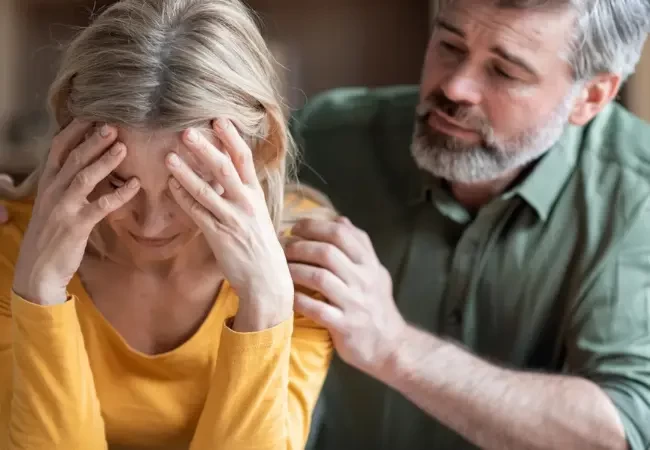
More Blogs
-
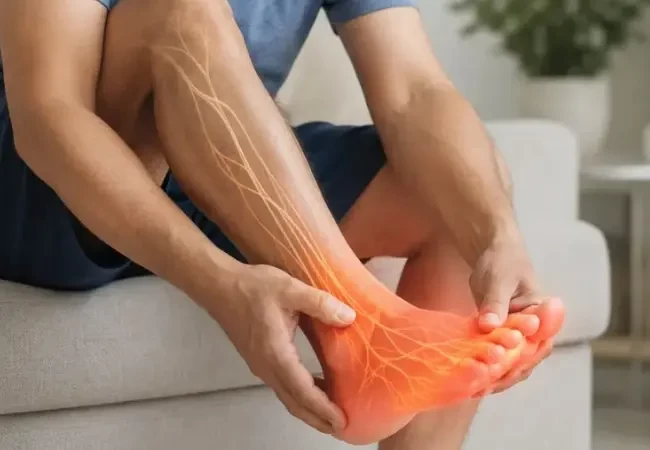
Don't Ignore the Tingling: Understanding Diabetes-Related Nerve Problems
Discover the signs of diabetic nerve damage, including tingling, numbness and burning feet. Learn about diagnosis, treatment and nerve care.
-
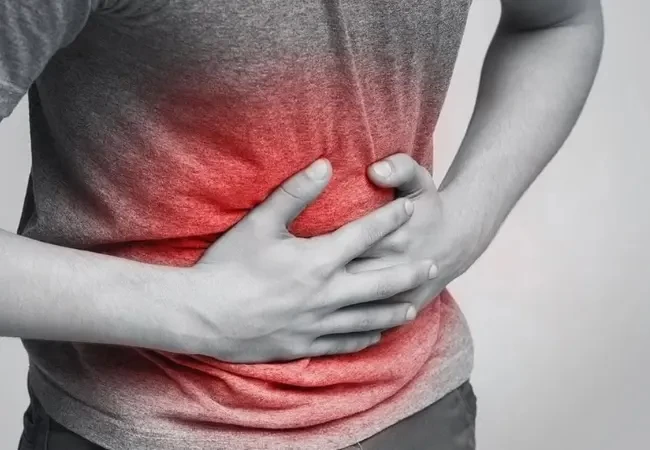
Can Hypothyroidism Cause Constipation? What You Need to Know
Learn how hypothyroidism causes constipation, which thyroid tests help diagnose it, and how treatment, fibre, hydration and lifestyle changes can help.
-
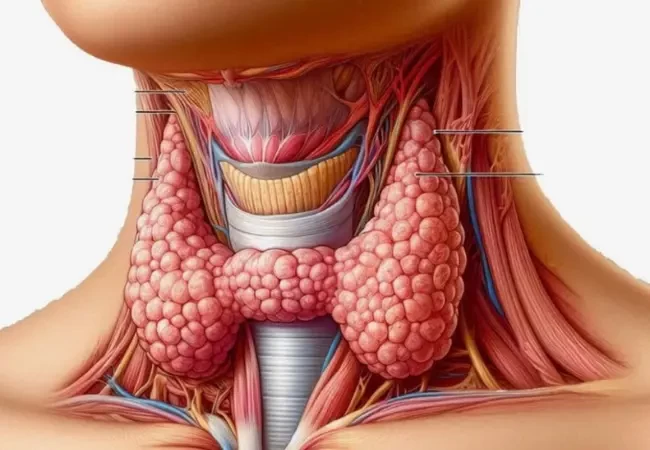
Hypothyroidism Symptoms: Is Constant Fatigue a Sign of Thyroid Problems?
Discover common hypothyroidism symptoms and learn when constant fatigue may be a sign of thyroid problems.
-
Recognizing Diabetes Symptoms: Early Signs and When to Get Tested
Learn about diabetes symptoms, early warning signs, common risk factors, and when to get tested. Understand what changes to watch for and why early testing can help with timely diagnosis and care.
-

Don't Ignore Hair Loss: Hormonal Changes and Thyroid Problems Could Be the Cause
Learn how hormonal changes and thyroid problems can cause hair loss, the signs to watch for, and when to seek medical evaluation.



Are You at Risk of Diabetes? Find Out Instantly
Early detection can make all the difference
Check My Risk Now!