
 Home
Home  Booking
 Chat Now
  Call Us
 Blog
Diabetes
and
Coconut
Oil

Is Coconut Oil a Healthy Choice for Diabetics?
Coconut oil has long been a subject of debate, especially among individuals with diabetes. In many regions, this tropical oil was sidelined due to its high saturated fat content. But there's a deeper story to uncover. The saturated fat in coconut oil is primarily composed of Medium-Chain Triglycerides (MCTs), which can have several health benefits.
Unlike other cooking oils that undergo extensive refining processes, coconut oil remains relatively untouched. It is extracted through mechanical or natural means, making it one of the purest forms of cooking oil available. This unrefined, pure coconut oil is often referred to as "cold-pressed virgin coconut oil."

Why might Coconut Oil be a Healthy Choice for Diabetics?
First and foremost, MCTs, which are the main type of fat found in coconut oil, are known for their unique ability to be rapidly absorbed and converted into energy by the body. This can be particularly beneficial for individuals with diabetes, as it can help stabilize blood sugar levels and prevent the energy crashes associated with other types of fats. Moreover, coconut oil's role in promoting heart and brain health cannot be overlooked.
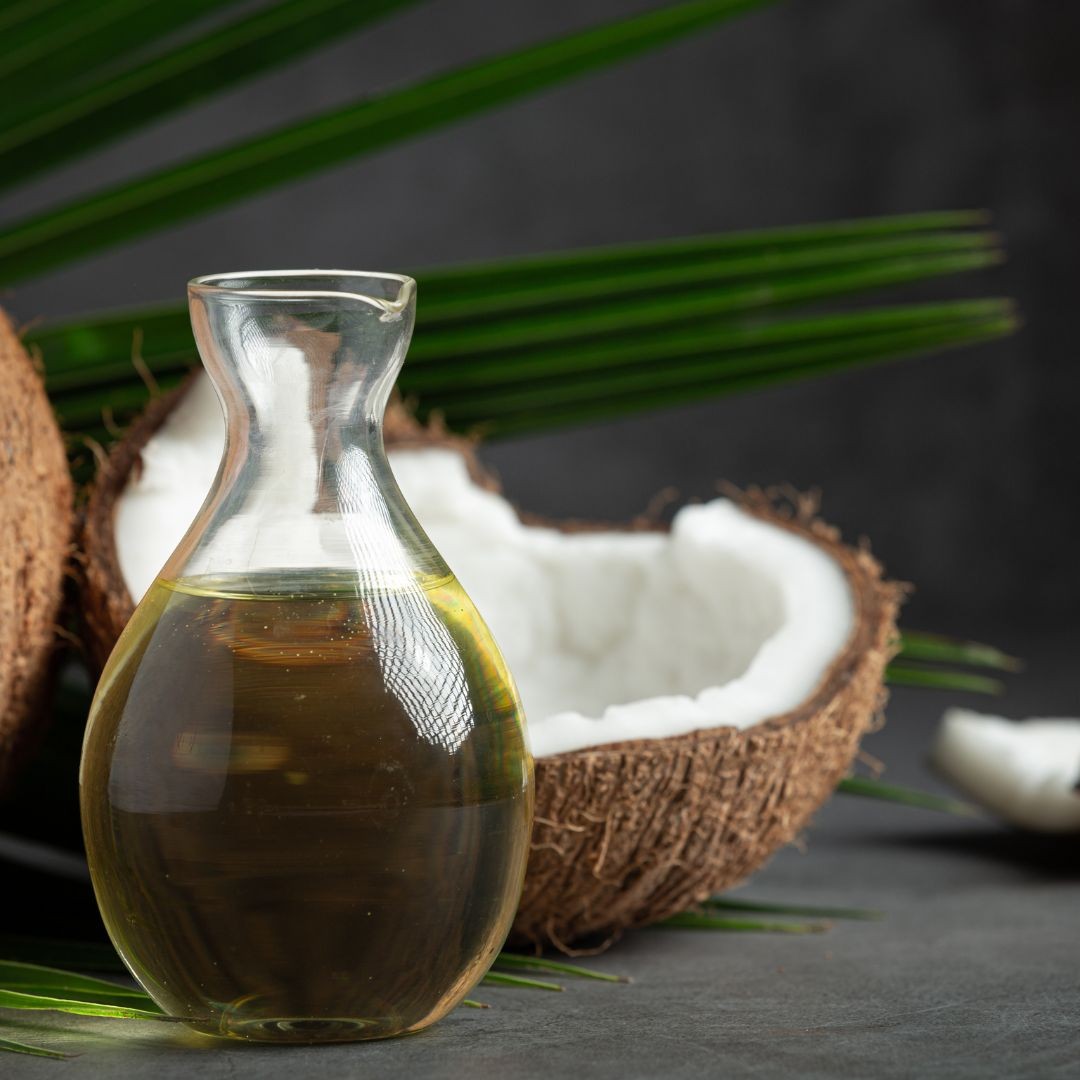
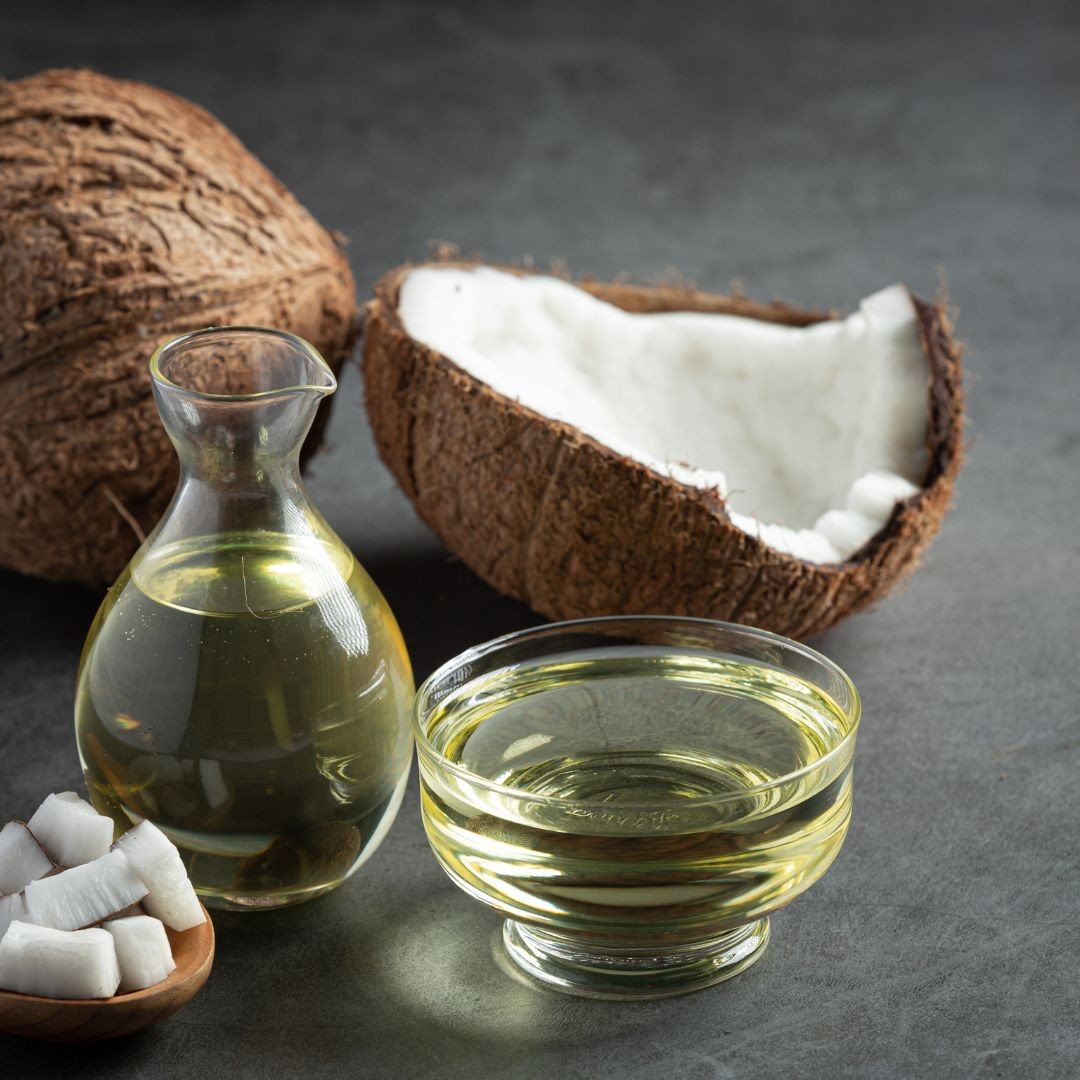
It's significant to note that not all coconut oils are prepared equal. For the health-conscious consumer, cold-pressed virgin coconut oil is the best option. This minimally processed oil retains all the beneficial qualities of coconut oil and is ideal for Kerala-style cooking.
Conclusion
In summary, the myth that coconut oil is harmful to diabetics due to its saturated fat content needs to be dispelled. While refined oils should be avoided due to their chemical treatment and loss of natural qualities, coconut oil, specifically cold-pressed virgin coconut oil, can be a healthy choice for individuals with diabetes. As with any dietary change, it's essential to seek help from a reputable diabetic hospital in Kerala, such as Silverline, for personalized advice based on your specific health needs. Silverline offers the best diabetes treatment in Kerala, ensuring the highest standard of care for our patients.

More Blogs
-

Hypothyroidism Symptoms: Is Constant Fatigue a Sign of Thyroid Problems?
Discover common hypothyroidism symptoms and learn when constant fatigue may be a sign of thyroid problems.
-
Recognizing Diabetes Symptoms: Early Signs and When to Get Tested
Learn about diabetes symptoms, early warning signs, common risk factors, and when to get tested. Understand what changes to watch for and why early testing can help with timely diagnosis and care.
-

Don't Ignore Hair Loss: Hormonal Changes and Thyroid Problems Could Be the Cause
Learn how hormonal changes and thyroid problems can cause hair loss, the signs to watch for, and when to seek medical evaluation.
-
Don't Ignore These Warning Signs of Diabetes: 4 Early Symptoms That May Indicate High Blood Sugar
Recognise the early symptoms of diabetes, including thirst, frequent urination, fatigue and slow-healing wounds, and learn why early detection matters.
-
What Should People With Diabetes Know About the Latest Advances in Treatment and Care?
Explore new diabetes treatments in 2026, including weekly insulin, oral GLP-1 medicines, CGMs, automated insulin pumps and more.



Are You at Risk of Diabetes? Find Out Instantly
Early detection can make all the difference
Check My Risk Now!