
 Home
Home  Booking
 Chat Now
  Call Us
 Blog
Probiotics
For
Diabetics

Is Probiotics Beneficial for Diabetics?
Diabetes is a condition that affects millions worldwide, and the quest for effective management strategies is ongoing. One potential ally in this battle against diabetes might come as a surprise – probiotics. These live microorganisms, often referred to as "good bacteria," have been gaining attention for their potential benefits in managing diabetes.
Benefits of Probiotics for Diabetes
Individuals with diabetes tend to have an imbalance in their gut microbiota compared to their non-diabetic counterparts. This imbalance can contribute to insulin resistance and inflammation, two critical factors in diabetes progression. This is where probiotics step in.
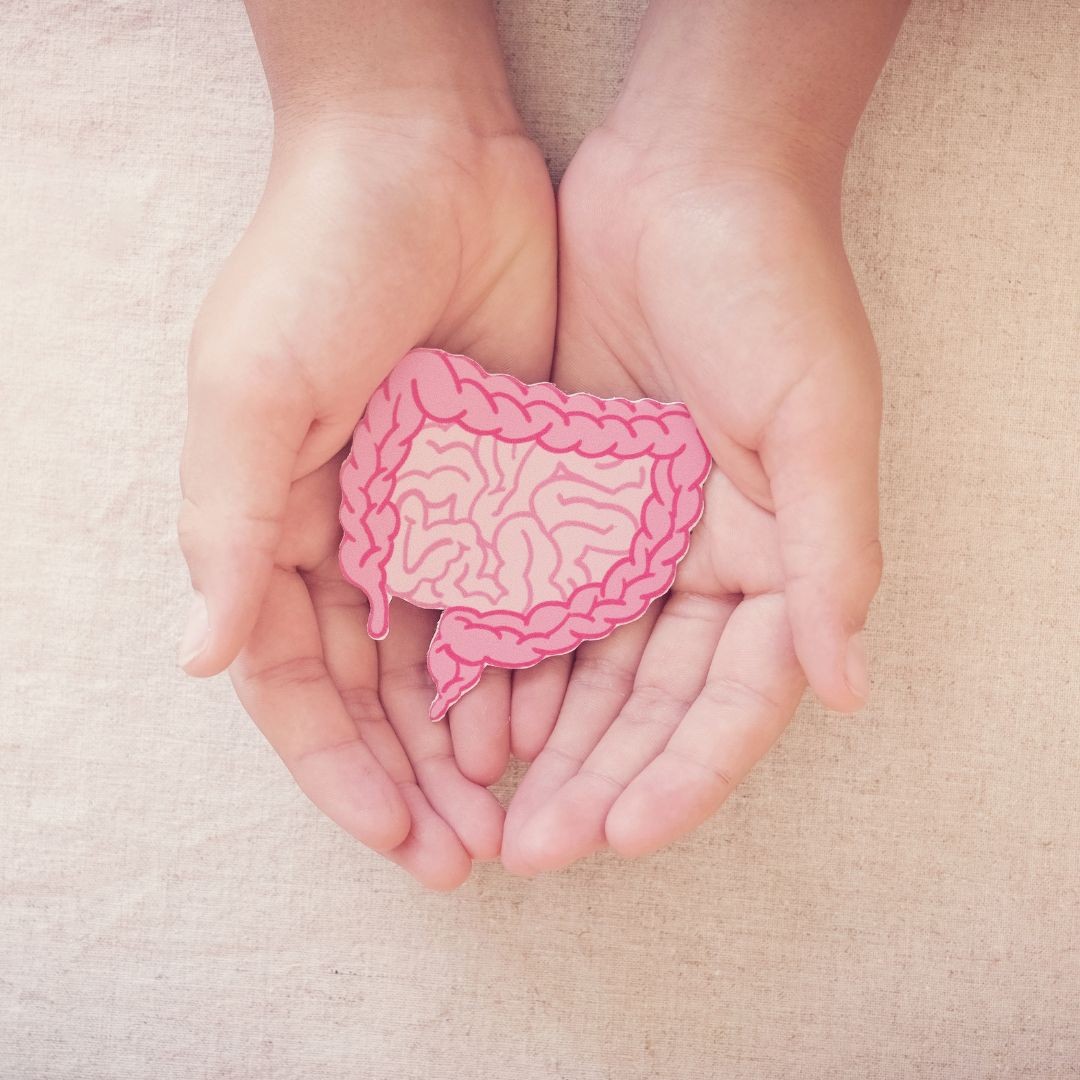
Probiotics can help restore this microbial balance in the gut. By increasing the levels of beneficial bacteria, they may enhance insulin sensitivity, reduce inflammation, and improve blood sugar control. For diabetics, this can be a game-changer.
Advantages of Probiotics
Improved Gut Health: Probiotics can promote a healthy gut environment, aiding in digestion and nutrient absorption.
Enhanced Insulin Sensitivity: Some studies suggest that probiotics can increase insulin sensitivity, helping the body use insulin more effectively.
Inflammation Reduction: Chronic inflammation is a common concern for diabetics. Probiotics may help reduce inflammation, potentially lowering the risk of complications.
Blood Sugar Control: Emerging evidence indicates that probiotics could contribute to better blood sugar regulation.
Best Probiotics for Diabetics
If you're considering incorporating probiotics into your diabetes management plan, here are some options to consider:
Yogurt: Always try to choose plain, unsweetened yogurt with live active cultures.

Kefir: This fermented milk drink is rich in probiotics and can be a tasty addition to your diet.

Curd: Curd can potentially improve gut health, aid in digestion, and support better blood sugar control when consumed as part of a balanced diet.

Buttermilk: Homemade buttermilk, without added sugars, can provide probiotic benefits.

While probiotics offer exciting potential benefits for diabetics, it's essential to remember that they should complement, not replace, your existing diabetes management plan. If you're considering incorporating probiotics into your diabetes management plan or have any questions about your health, our expert team at Silverline Hospital is here to provide guidance and personalized care.

More Blogs
-
Can Hypothyroidism Cause Constipation? What You Need to Know
Learn how hypothyroidism causes constipation, which thyroid tests help diagnose it, and how treatment, fibre, hydration and lifestyle changes can help.
-
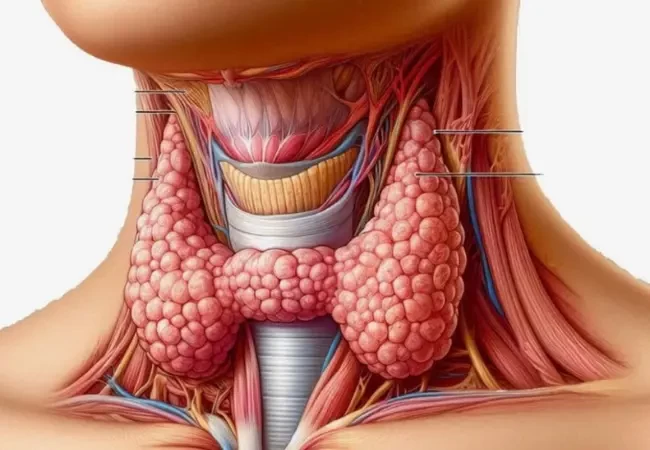
Hypothyroidism Symptoms: Is Constant Fatigue a Sign of Thyroid Problems?
Discover common hypothyroidism symptoms and learn when constant fatigue may be a sign of thyroid problems.
-
Recognizing Diabetes Symptoms: Early Signs and When to Get Tested
Learn about diabetes symptoms, early warning signs, common risk factors, and when to get tested. Understand what changes to watch for and why early testing can help with timely diagnosis and care.
-

Don't Ignore Hair Loss: Hormonal Changes and Thyroid Problems Could Be the Cause
Learn how hormonal changes and thyroid problems can cause hair loss, the signs to watch for, and when to seek medical evaluation.
-
Don't Ignore These Warning Signs of Diabetes: 4 Early Symptoms That May Indicate High Blood Sugar
Recognise the early symptoms of diabetes, including thirst, frequent urination, fatigue and slow-healing wounds, and learn why early detection matters.



Are You at Risk of Diabetes? Find Out Instantly
Early detection can make all the difference
Check My Risk Now!