
 Home
Home  Booking
 Chat Now
  Call Us
 Blog
Move More
Control Better

The Hidden Power of Exercise in Controlling Diabetes
 Medically reviewed by: Dr. Tom Babu, Consultant Diabetologist & Endocrinologist - Written by Riya Yacob - Updated on 29/4/2026
Exercise controls diabetes by improving how your body uses insulin and allowing your muscles to absorb glucose directly from your bloodstream without needing extra insulin. When you move your body, you are essentially opening a side door for sugar to leave your blood and enter your cells for energy. This natural process lowers your glucose levels immediately and also makes your body more sensitive to insulin over the long term.
Do you exercise daily or 3 times a week? For many, the idea of a workout feels like a chore or a task reserved for those looking to lose weight. However, for diabetic patients, movement is a form of medicine that works in ways pills cannot.
Why Exercise is a Necessity?
We all know that exercise is good for the body, but do you know how important it is for people with diabetes? Exercise is a fundamental part of staying healthy and when you live with this condition, your body either does not make enough insulin or cannot use it properly. This leads to sugar building up in the blood and physical activity acts as a natural regulator. Physical activity helps your heart pump better, keeps your weight steady, and also reduces the risk of long-term health issues like heart disease or nerve damage.
Biological Shifts during Physical Activity
When you engage in diabetes control with exercise, your body undergoes several internal shifts and these changes are also about resetting your metabolic clock.
- Insulin Resistance Decreases
One of the biggest hurdles in type 2 diabetes is insulin resistance and this means your cells stop responding to the insulin that is circulating in your system. As you might know, regular activity makes your cells more hungry for glucose. After a walk or a swim, your cells remain sensitive to insulin for up to 24 hours or more. This means your body does not have to work as hard to keep your sugar levels in a safe range.
- Insulin Production in the Body Improves
While exercise cannot fix a damaged pancreas, it can help the remaining insulin-producing cells work more efficiently. By reducing the overall stress on your metabolic system, you give your pancreas a much-needed break. This efficiency is a major part of managing blood sugar levels without relying solely on increased medication dosages.
- Cholesterol & Fatty Acids Decrease
Diabetes usually comes with high blood pressure and high cholesterol. Physical activity helps lower the bad LDL cholesterol and triglycerides while boosting the good HDL cholesterol. By clearing out these fatty acids, your blood flows more easily, which reduces the strain on your arteries.
- Muscle Mass Increases
Your muscles are the largest consumers of glucose in your body, and the more muscle mass you have, the larger your space for storing sugar. Even when you are resting, muscle tissue burns more energy than fat tissue. Building a little bit of lean muscle through light resistance training can create a permanent improvement in your metabolic rate.
Diabetes Control with Exercise
You do not need to run a marathon to see results. In fact, for diabetes control with exercise, consistency is much more valuable than intensity. We recommend a mix of different movements to keep things interesting and effective.
- Aerobic Activities
Cycling, walking, and swimming are excellent cardiovascular exercises, as they increase oxygen consumption and stabilise blood sugar levels.
- Strength Training
Using light weights or resistance bands twice a week builds that muscle storage tank, we mentioned earlier.
- Flexibility Work
Yoga or simple stretching helps prevent injuries and keeps your joints mobile, making it easier to stay active as you age.
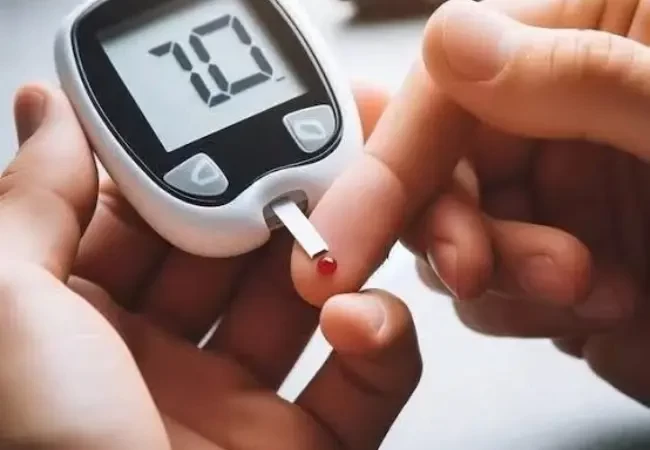
It is always wise to check your sugar levels before and after you start a new activity. This helps you understand how your body reacts to all this. Some people find that their sugar drops during a workout, while others might see a slight rise before a steady fall. Please note that knowing your patterns is very important to staying safe.
Diabetes Treatment in Kerala
At Silverline Hospital, we understand that every person has a different starting point. Some of our patients have not exercised in years, while others are very active but struggle with fluctuating levels. We provide personalised guidance to ensure that your physical activity aligns with your diet and medication. If you are looking for professional help in managing your condition, start it without any delay.
Conclusion
Especially for diabetic people, exercise is a necessity and is the most effective way to control diabetes. By making small, daily changes, you can fundamentally alter your health trajectory as well. You do not have to do it alone, and we are here to help you navigate the complexities of this condition with care.
Contact Silverline Hospital for appointments and more information.
Frequently Asked Questions (FAQs)
Q1: How soon will I see a change in my blood sugar after exercising?
A1: You will likely see a drop in your blood glucose levels almost immediately after a single physical activity session. However, long-term improvements in your HbA1c levels and insulin sensitivity usually take about six to eight weeks of regular, consistent exercise to become clearly visible on your medical tests.
Q2: Is it safe to exercise if my blood sugar is high?
A2: If your blood sugar is very high, such as over 250 mg/dL, you should check for ketones in your urine before starting vigorous activity. If ketones are present, it is better to avoid exercise until they clear, as movement could actually cause your sugar levels to rise even further in that specific state. It is always best to consult with us if you are unsure about your levels.
Q3: Can I stop taking my medication if I exercise every day?
A3: You should never stop or change your medication dosage without speaking to a doctor first. While physical activity is incredibly powerful and may allow your doctor to eventually lower your dosage, any changes must be monitored through blood tests and professional consultation. Th

More Blogs
-

Don't Ignore the Tingling: Understanding Diabetes-Related Nerve Problems
Discover the signs of diabetic nerve damage, including tingling, numbness and burning feet. Learn about diagnosis, treatment and nerve care.
-

Can Hypothyroidism Cause Constipation? What You Need to Know
Learn how hypothyroidism causes constipation, which thyroid tests help diagnose it, and how treatment, fibre, hydration and lifestyle changes can help.
-

Hypothyroidism Symptoms: Is Constant Fatigue a Sign of Thyroid Problems?
Discover common hypothyroidism symptoms and learn when constant fatigue may be a sign of thyroid problems.
-
Recognizing Diabetes Symptoms: Early Signs and When to Get Tested
Learn about diabetes symptoms, early warning signs, common risk factors, and when to get tested. Understand what changes to watch for and why early testing can help with timely diagnosis and care.
-

Don't Ignore Hair Loss: Hormonal Changes and Thyroid Problems Could Be the Cause
Learn how hormonal changes and thyroid problems can cause hair loss, the signs to watch for, and when to seek medical evaluation.



Are You at Risk of Diabetes? Find Out Instantly
Early detection can make all the difference
Check My Risk Now!