
 Home
Home  Booking
 Chat Now
  Call Us
 Blog
High at the hospital
calm at home

Why Does Blood Pressure Rise Only at the Hospital? Understanding White Coat Hypertension
 Medically reviewed by: Dr. Tom Babu, Consultant Diabetologist & Endocrinologist - Written by Riya Yacob - Updated on 8/9/2025
We often want our health checkups to be smooth and stress-free. However, for many people, something unusual happens during a hospital visit. They find their blood pressure readings are suddenly higher than usual. Patients often get confused as their blood pressure was normal when they checked at home, but very high when checked at the hospital. This situation can be confusing and worrying, but it is called White Coat Hypertension.
This condition occurs when your blood pressure rises only in medical settings, such as during a hospital visit or when meeting a doctor. As you might have already guessed, the term comes from the traditional white coats worn by doctors. Just the thought of being in a hospital or seeing a doctor’s coat can trigger anxiety, which in turn increases blood pressure. To understand this better, let us look at the causes, risks, and the right way to diagnose this condition.
What is White Coat Hypertension?
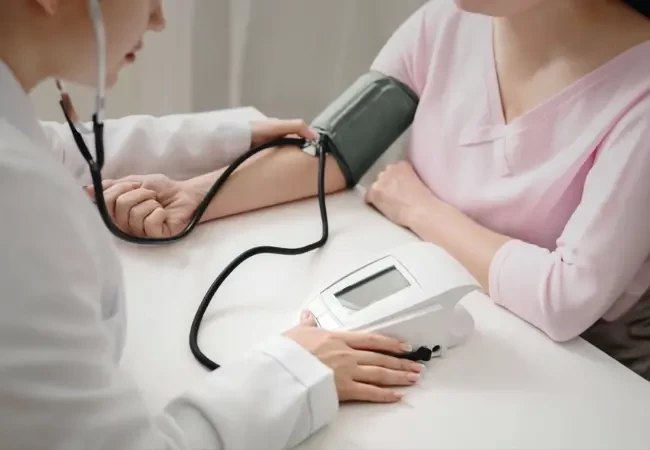
An individual suffering from White Coat Hypertension will have normal blood pressure (BP) at home, but their blood pressure will be elevated in a hospital or clinic when they are checked. The rise is usually linked to stress, nervousness, or anxiety about being in a medical environment. While it might seem harmless at first, ignoring it is not a good idea. Repeated episodes of high blood pressure at the hospital could indicate an underlying risk that needs proper evaluation.
On the other hand, there is also a condition called Masked Hypertension. This is the reverse situation, where blood pressure looks normal in a hospital setting but turns out to be high when measured at home. Both conditions can be tricky because they hide the true picture of your blood pressure, which makes monitoring very important.
White Coat Hypertension Causes
The exact cause of White Coat Hypertension may vary from person to person, but the following are the most common causes:
- The fear of hospitals, doctors, or medical procedures can cause a sudden spike in blood pressure if you are anxious about your medical visit.
- A person's stress response is triggered by the environment they are in, so if a patient is exposed to the hospital environment itself as a stress trigger, their stress response may be triggered.
- If a person is prone to overanalyzing test results, it can cause the heartbeat to speed up and the blood pressure to rise and therefore increase their health risks.
- The past experiences a person has had during a medical visit may also contribute to subconscious stress being created.
To put it simply, your body reacts to stress in a way that is reflected in your blood pressure readings as a result of your body's reaction.
Why Need Medical Care?
Some people assume that White Coat Hypertension is nothing to worry about since their blood pressure is usually fine at home. However, studies show that people with this condition may still face health risks similar to those with regular hypertension. Over time, this could lead to complications like heart disease, kidney problems, or stroke.
This is why identifying whether it is truly White Coat Hypertension or genuine high blood pressure is so important. Without proper medical evaluation and consultation, there are chances for the patients to either ignore problem or take unnecessary medication.
Role of Home Monitoring
Home blood pressure monitoring plays a crucial role in detecting conditions like White Coat Hypertension and Masked Hypertension. It is important to check your blood pressure regularly at home so that you can track patterns over time and get a more accurate picture of your health.
For those who often get high readings only at the hospital, keeping a record of home readings can be very helpful for doctors. Similarly, if blood pressure is normal in a clinic but shows high at home, the records will guide the doctor in making the right diagnosis.
Ambulatory Blood Pressure Monitoring (ABPM)
While home monitoring is useful, doctors often recommend a more advanced method known as Ambulatory Blood Pressure Monitoring (ABPM). The use of this method offers you a clear and continuous picture of your blood pressure over a period of 24 hours.
A blood pressure cuff is attached to your arm and connected to a small device, and the device checks your blood pressure at regular intervals, usually every 15 minutes. The monitoring continues during your normal daily activities, including while you sleep.
The data collected is highly reliable because it covers different times of the day and different situations. With this information, your doctor can confirm whether you have White Coat Hypertension, Masked Hypertension, or persistent hypertension.
This method is considered the gold standard for accurate blood pressure diagnosis, eliminates errors that come from single-time readings, and ensures that the right treatment plan is given.
Expert Care for Hypertension
If you are worried about your blood pressure readings and want a reliable diagnosis, Silverline Hospital, Kochi, Kerala, is one of the best places for expert care. With experienced doctors, Silverline Hospital uses advanced methods like ABPM to give patients an accurate understanding of their condition.
Whether it is White Coat Hypertension, Masked Hypertension, or regular hypertension, timely diagnosis and proper guidance can make all the difference. To know more about the information, visit Silverline Hospital
Conclusion
There is a possibility that White Coat Hypertension might seem like a minor problem, but it should not be ignored. Having high blood pressure at hospital visits, even if it is temporary, can indicate deeper health risks that need to be addressed. Similarly, Masked Hypertension is equally dangerous because it hides high readings at home. The best way to manage these conditions is by combining home monitoring with Ambulatory Blood Pressure Monitoring under medical guidance.
If you notice unusual patterns in your blood pressure readings, consult a doctor. In order to prevent future complications and keep your heart healthy, early detection and proper care are crucial.
Frequently Asked Questions (FAQs)
- What is White Coat Hypertension?
White Coat Hypertension is when your blood pressure rises only in a hospital or clinic setting but stays normal at home.
- What causes high blood pressure at hospital visits?
The most common reason is anxiety or stress related to medical environments. This stress response can cause temporary spikes in blood pressure.
- What is the difference between White Coat Hypertension and Masked Hypertension?
White Coat Hypertension means your blood pressure is high only at the hospital but normal at home, while Masked Hypertension is the opposite.
- How is White Coat Hypertension diagnosed?
Doctors usually recommend Ambulatory Blood Pressure Monitoring (ABPM) or regular home monitoring to confirm the diagnosis.
- Is White Coat Hypertension dangerous?
Yes. Even though it may seem harmless, it increases the risk of heart and kidney problems in the long term if left unchecked.
- When should I see a doctor?
If your blood pressure readings show unusual differences between home and hospital, you should consult a doctor for proper evaluation.
More Blogs
-

Don't Ignore the Tingling: Understanding Diabetes-Related Nerve Problems
Discover the signs of diabetic nerve damage, including tingling, numbness and burning feet. Learn about diagnosis, treatment and nerve care.
-

Can Hypothyroidism Cause Constipation? What You Need to Know
Learn how hypothyroidism causes constipation, which thyroid tests help diagnose it, and how treatment, fibre, hydration and lifestyle changes can help.
-

Hypothyroidism Symptoms: Is Constant Fatigue a Sign of Thyroid Problems?
Discover common hypothyroidism symptoms and learn when constant fatigue may be a sign of thyroid problems.
-
Recognizing Diabetes Symptoms: Early Signs and When to Get Tested
Learn about diabetes symptoms, early warning signs, common risk factors, and when to get tested. Understand what changes to watch for and why early testing can help with timely diagnosis and care.
-

Don't Ignore Hair Loss: Hormonal Changes and Thyroid Problems Could Be the Cause
Learn how hormonal changes and thyroid problems can cause hair loss, the signs to watch for, and when to seek medical evaluation.



Are You at Risk of Diabetes? Find Out Instantly
Early detection can make all the difference
Check My Risk Now!