
 Home
Home  Booking
 Chat Now
  Call Us
 Blog
Listen to
Your Hormones

Fatigue, Hair Loss, and Other Silent Signals: When to See an Endocrinologist
 Medically reviewed by: Dr. Tom Babu, Consultant Diabetologist & Endocrinologist - Written by Riya Yacob - Updated on 23/2/2026
You wake up tired. You go through your day feeling heavy. Even after a full night of sleep, the exhaustion remains. For many people in Kerala, this constant state of fatigue becomes a normal part of life. We usually blame it on work stress, the humid climate, or just getting older. But sometimes, the body is trying to tell something else.
Your hormones control nearly every function in your body. They regulate your mood, metabolism, and energy levels. When this balance is disturbed, the signs are not always clear. They are silent signals. Hair thinning, weight fluctuations, and persistent tiredness are easy to dismiss. However, these small changes can indicate a deeper issue within your endocrine system.
Body’s Chemical Messengers
The endocrine system is a network of glands that produce hormones. These chemical messengers travel through your blood to tissues and organs. They tell your body what to do and when to do it.
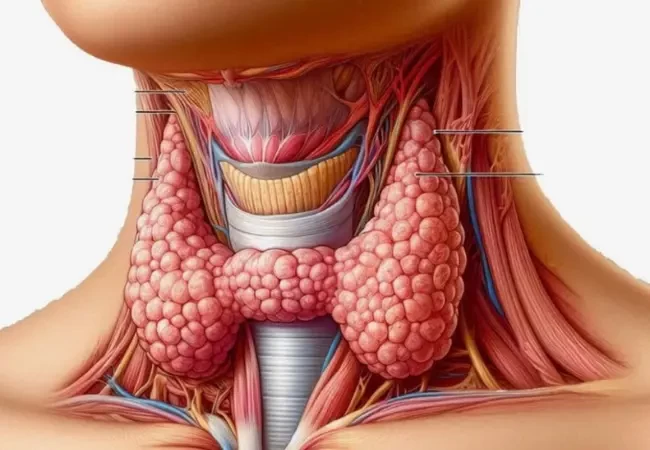
The thyroid gland, located at the base of your neck, is a major player in this system. It acts like a car engine. If it runs too slow, you stall. If it runs too fast, the engine overheats. Both extremes cause health problems.
While the thyroid is a common culprit, it is not the only one. Adrenal glands, the pituitary gland, and the pancreas also play vital roles. When any of these struggle to function, you feel the effects physically and mentally.
More Than Just Feeling Tired
Fatigue is the most common complaint doctors hear. But there is a difference between being sleepy and being fatigued. Sleepiness happens when you need rest. Fatigue is a lack of energy that rest does not fix.
If you find yourself unable to complete daily tasks without needing a break, pay attention. If your limbs feel heavy or your concentration is slipping, this is not normal tiredness. It could be hypothyroidism, where the thyroid gland is underactive. It could also be adrenal insufficiency.
This is where a general checkup might miss the mark. A standard blood test might show you are fine because it does not look deep enough. An endocrinologist in Kerala is trained to look for the specific markers that general practitioners might overlook.
The Hair Loss Connection
Seeing hair in the shower drain can be alarming. In a tropical climate, we expect some shedding. Seasons change, and so does our hair. But sudden, diffuse hair loss is different.
Thyroid hormones are essential for the development and maintenance of hair follicles. When T3 and T4 levels drop, hair growth slows down. The hair that is shed is not replaced. This leads to overall thinning rather than bald patches.
However, jumping to conclusions is dangerous. Hair loss is also a primary symptom of iron deficiency anaemia. In India, anaemia is widespread. A lack of iron reduces the oxygen supply to hair follicles, causing them to die and fall out. Vitamin D deficiency, which is surprisingly common despite our sunny weather, can also cause hair loss.
Distinguishing between a thyroid issue and a nutritional deficiency requires precise testing. You need a thyroid specialist Kerala who can interpret the subtle differences in blood work to give you the correct diagnosis.
Weight Changes Without Explanation
Diet and exercise usually dictate our weight. If you are eating healthy and moving regularly but the scale keeps going up, your metabolism might be the issue. An underactive thyroid slows down your metabolic rate. Your body burns fewer calories and stores more fat.
Conversely, if you are losing weight rapidly despite a big appetite, your thyroid might be overactive. This condition, known as hyperthyroidism, sends your metabolism into overdrive. It can cause anxiety, tremors, and heart palpitations.
These fluctuations are frustrating. They are not a sign of poor willpower. They are biological responses to hormonal imbalances.
Is It Always the Thyroid?
It is easy to blame the thyroid for everything. However, the endocrine system is complex.
- PCOS (Polycystic Ovary Syndrome): For women, irregular periods combined with weight gain and hair issues often point to PCOS. This is an insulin and reproductive hormone issue.
- Diabetes: Unexplained fatigue and weight loss are classic signs of Type 1 and Type 2 diabetes.
- Anaemia: As mentioned, low iron levels mimic hypothyroidism perfectly. You feel cold, tired, and weak.
Self-medicating with supplements or thyroid pills without a clear diagnosis can make things worse. You need a professional to rule out other systemic conditions.
Expert Care at Silverline Hospital
At Silverline Hospital, we understand that hormonal health is very important.
Our approach to thyroid and endocrine health is comprehensive. We know that a patient might have normal TSH levels but still feel unwell. This is why we check if there is any underlying causes such as autoimmune responses, nutritional gaps, and lifestyle factors.
If you are looking for a thyroid treatment specialist in Kerala, our team offers advanced diagnostic tools and personalised care plans. We treat the root cause, not just the symptoms.
With a team of specialists, Silverline Hospital is a trusted choice for Thyroid Treatment in Kerala.
When to Seek Professional Help
You do not need to see a specialist for every minor ache. However, specific patterns suggest it is time to schedule an appointment.
You should consider finding an endocrinologist in Kerala if:
- You have been taking thyroid medication but still feel unwell.
- You have a visible lump or swelling in your neck.
- You are experiencing fertility issues or menstrual irregularities.
- You have a family history of autoimmune diseases.
- Your fatigue prevents you from working or exercising.
- Ignoring these signs allows the condition to progress. Early intervention is the best way to manage hormonal disorders.
Why Specialist Knowledge Matters
General medicine is broad. Endocrinology is deep. The interplay between hormones is intricate. For instance, stress affects cortisol, which can inhibit thyroid function. Insulin resistance can worsen reproductive health.
A thyroid specialist Kerala understands these connections. They can adjust medications with fine detail. They know that a dosage that works for one person might be toxic for another. They also monitor for long-term complications, such as bone density loss or heart issues, which can arise from untreated endocrine disorders.
Many patients spend years treating individual symptoms. They take pills for hair loss, supplements for energy, and struggle with diets for weight loss. Seeing a specialist brings these fragmented treatments under one roof. It provides a unified strategy for your health.
Conclusion
Your body is resilient, but it is not invincible. Symptoms like hair loss and fatigue are its way of asking for help. They are silent signals that something is off balance. While it might be stress or a simple vitamin deficiency, it could also be a complex hormonal issue.
Do not guess with your health. If you have been feeling "off" for weeks or months, it is time to investigate. Knowing when to see an endocrinologist in Kerala can save you years of discomfort. By identifying the root cause, you can stop managing symptoms and start healing.
Take the first step. Listen to your body before the condition gets severe.
Frequently Asked Questions
Q1: Can stress cause the same symptoms as thyroid problems?
A1: Yes, chronic stress raises cortisol levels. This can lead to fatigue, weight gain, and sleep disruption, which mimics thyroid issues. However, stress can also physically suppress thyroid function, so the two problems often happen at the same time.
Q2: I have normal TSH levels, but I still lose hair. Why?
A2: TSH is just one marker. You might have normal TSH but low iron (ferritin) or low Vitamin D. It could also be a separate issue like pattern baldness or a temporary reaction to a past illness. A full evaluation is needed to know for sure.
Q3: Is thyroid disease a lifelong condition?
A3: In many cases, yes. Conditions like Hashimoto’s thyroiditis are chronic and require lifelong medication. However, temporary thyroid issues caused by pregnancy or viral infections can resolve on their own with proper short-term management.
Q4: Does diet really affect my hormones?
A4: Absolutely. Diets high in processed sugar can lead to insulin resistance. A lack of iodine or selenium can hurt thyroid function. A balanced diet is the foundation of hormonal health, though diet alone cannot cure severe endocrine disorders.
Q5: What should I bring to my first appointment with an endocrinologist?
A5: Bring any recent blood test results, a list of medications or supplements you are currently taking, and a log of your symptoms. If you have a family history of thyroid issues or diabetes, be sure to mention it.

More Blogs
-

Don't Ignore the Tingling: Understanding Diabetes-Related Nerve Problems
Discover the signs of diabetic nerve damage, including tingling, numbness and burning feet. Learn about diagnosis, treatment and nerve care.
-

Can Hypothyroidism Cause Constipation? What You Need to Know
Learn how hypothyroidism causes constipation, which thyroid tests help diagnose it, and how treatment, fibre, hydration and lifestyle changes can help.
-
Hypothyroidism Symptoms: Is Constant Fatigue a Sign of Thyroid Problems?
Discover common hypothyroidism symptoms and learn when constant fatigue may be a sign of thyroid problems.
-

Recognizing Diabetes Symptoms: Early Signs and When to Get Tested
Learn about diabetes symptoms, early warning signs, common risk factors, and when to get tested. Understand what changes to watch for and why early testing can help with timely diagnosis and care.
-

Don't Ignore Hair Loss: Hormonal Changes and Thyroid Problems Could Be the Cause
Learn how hormonal changes and thyroid problems can cause hair loss, the signs to watch for, and when to seek medical evaluation.



Are You at Risk of Diabetes? Find Out Instantly
Early detection can make all the difference
Check My Risk Now!