
 Home
Home  Booking
 Chat Now
  Call Us
 Blog
Healthy Feet Start
with the Right Fit

Managing Diabetic Foot with the Right Footwear: Insights from a Diabetologist & Specialist
 Medically reviewed by: Dr. Tom Babu, Consultant Diabetologist & Endocrinologist - Written by Riya Yacob - Updated on 11/7/2025
Diabetic patients should be concerned about their foot health as well. Diabetic foot is not just a discomfort. It is one of the most serious and often underestimated complications faced by people with diabetes. If you have diabetes, it is important to pay close attention to even the smallest injuries on your feet. Ulcers, infections, and in severe cases, even amputations, can become real risks if foot problems in diabetic patients are not treated early and properly. Wearing the right footwear is one of the simplest and most effective ways to protect your feet if you have diabetes.
Why Diabetic Foot Care Is Important
If you have diabetes, it means your body may struggle with proper blood circulation, especially below the knees. When your feet lose sensation, even tiny cuts or pressure spots can go ignored and turn into serious problems over time. A small blister can slowly develop into a serious wound or ulcer if it isn’t caught and treated in time.
This is why diabetic foot protection tips are very essential. Wearing the right shoes plays a major role in preventing complications.
The Difference Between Normal Footwear and Diabetic Footwear
Not all shoes are made the same. K. Prakash, diabetic footwear specialist, explains that proper diabetic footwear follows very specific guidelines. These features are not just extras. They are essential for protecting feet that need special care. Here is how diabetic footwear differs from regular shoes and why those differences matter.
1.Strong Heel Counters
To offer better back support and stability, diabetic shoes are made with firm heel counters that help keep the foot in place while walking. This helps reduce the risk of falls and pressure-related injuries, mainly in diabetic people who experience neuropathy or weakened muscles.
2.Open Design with Adjustable Closures
Diabetic footwear usually comes with an open-front design and Velcro straps. This allows room for foot swelling and makes it easier to wear and remove shoes without friction or force.
3.MCR Insoles for Cushioning
The most important part of diabetic footwear is the insole. Different from regular shoes, diabetic footwear uses Micro Cellular Rubber (MCR). This special material has rebound pressure, which helps distribute weight evenly across the foot. MCR insoles cushion each step gently, even when there is reduced sensation due to nerve damage.
The normal shoes do not offer this rebound support, and this is why many patients experience pressure injuries or discomfort when walking.
How Diabetic Footwear Helps
For many diabetic people, wearing regular shoes can create pressure points that may lead to blisters, corns, or even foot ulcers over time. Since they may not feel pain due to neuropathy, these injuries can go unnoticed and worsen quickly.
With diabetic shoes, every step is supported. The foot gets pressure where it is needed and support where it is most vulnerable. Patients report feeling more confident while walking and experience fewer foot-related problems over time. In simple words, diabetic footwear keeps your feet comfortable and makes it easier for you to walk.
Diabetic Foot Protection Tips
Along with wearing the right footwear, diabetic foot care also involves a few important daily habits that help keep your feet healthy and safe.
- Please check your feet daily for any signs of cuts, swelling, or redness, even if they seem minor.
- Make sure to wash your feet well and dry them completely
- In order to avoid injury or ingrown toenails, make sure you trim your nails carefully
- Avoid walking barefoot, even inside the house
- Change shoes or insoles annually or sooner if wear and tear is visible
Wearing diabetic shoes with MCR insoles is important, but it’s also essential to replace them on time. There is a loss of the rebound effect as the MCR material wears out with time. Doctors recommend replacing your insoles or footwear once a year to make sure your feet continue to get the right support and protection.
Who Should Use Diabetic Footwear?
If you have diabetes and experience any of the following, you might benefit from diabetic footwear:
- Tingling or numbness in the feet
- A history of foot ulcers or blisters
- Swelling in your feet or ankles
- Struggle to walk because of foot pressure or shape
- Changes in skin colour or foot temperature
Even if you don’t yet have symptoms, using diabetic footwear is a smart way to prevent future complications.
Expert Diabetes Foot Care at Silverline Hospital
At Silverline Hospital, our dedicated diabetologists can help guide patients in selecting proper footwear and adopting preventive steps. This can be helpful to reduce the risk of diabetes-related foot issues in diabetic patients.
If you are in the early stages of diabetes or already facing diabetic foot complications, our experts at Silverline Hospital can help you deal with the condition in a better way.
One of the many ways Silverline makes a difference is by providing personalized care and long-term monitoring. We ensure that our patients get footwear that fits their lifestyle, needs, and medical condition. Proper support makes walking easier and prevents long-term damage.
Related Blog:
How Vaccines Help Protect Diabetics From InfectionsConclusion
Many patients begin to feel the difference within just a few weeks of switching to diabetic footwear. It helps reduce strain, avoid injuries, and move more confidently every day. Just like managing your blood sugar or taking your medicines on time, taking care of your feet is an important part of living well with this health condition.
Consulting with Silverline Hospital can help you take the right steps toward a healthier and safer life. Get in touch with Silverline Hospital for more information.
Frequently Asked Questions (FAQs)
1. Can I wear diabetic shoes even if I don’t have foot problems yet?
Yes. You don’t have to wait for a problem to start using diabetic shoes. Wearing them early on can actually protect your feet and help avoid issues before they happen.
2. Will my insurance pay for diabetic footwear?
Yes, sometimes. If your doctor gives you a prescription, some health insurance plans might cover part of the cost. It’s best to check with your insurance provider to be sure.
3. Can I wear diabetic shoes both inside and outside the house?
Yes, you can. Diabetic shoes are made to be worn all day. Just make sure the diabetic shoes fit well and feel comfortable.
4. How do I know if my diabetic shoes are helping me?
If your shoes feel good, don’t cause any pain or pressure, and your feet stay comfortable after wearing them, they are doing good. Still, it is important to check your feet daily and keep up with regular doctor visits.
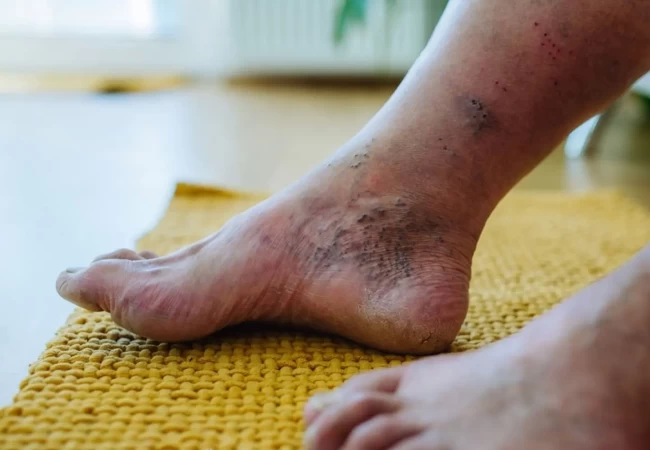
More Blogs
-
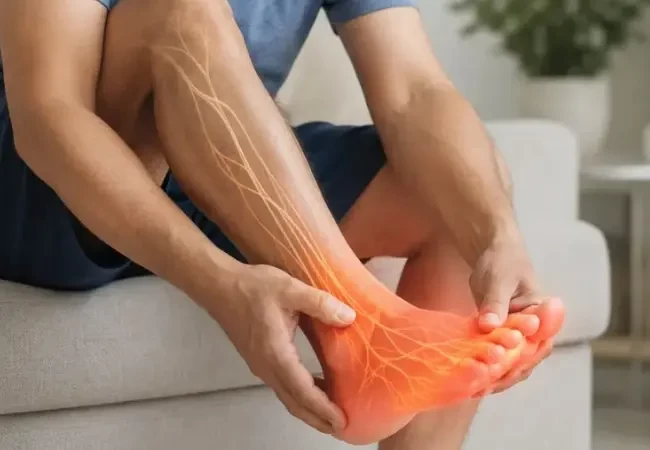
Don't Ignore the Tingling: Understanding Diabetes-Related Nerve Problems
Discover the signs of diabetic nerve damage, including tingling, numbness and burning feet. Learn about diagnosis, treatment and nerve care.
-

Can Hypothyroidism Cause Constipation? What You Need to Know
Learn how hypothyroidism causes constipation, which thyroid tests help diagnose it, and how treatment, fibre, hydration and lifestyle changes can help.
-

Hypothyroidism Symptoms: Is Constant Fatigue a Sign of Thyroid Problems?
Discover common hypothyroidism symptoms and learn when constant fatigue may be a sign of thyroid problems.
-

Recognizing Diabetes Symptoms: Early Signs and When to Get Tested
Learn about diabetes symptoms, early warning signs, common risk factors, and when to get tested. Understand what changes to watch for and why early testing can help with timely diagnosis and care.
-

Don't Ignore Hair Loss: Hormonal Changes and Thyroid Problems Could Be the Cause
Learn how hormonal changes and thyroid problems can cause hair loss, the signs to watch for, and when to seek medical evaluation.



Are You at Risk of Diabetes? Find Out Instantly
Early detection can make all the difference
Check My Risk Now!