
 Home
Home  Booking
 Chat Now
  Call Us
 Blog
Lower pressure
longer life

Uncontrolled Blood Pressure: What Your Doctor Wants You to Know
 Medically reviewed by: Dr. Tom Babu, Consultant Diabetologist & Endocrinologist - Written by Riya Yacob - Updated on 17/9/2025
According to the Global Hypertension Report 2025 released by WHO, 1.4 billion people globally have hypertension. The report clearly points out that only very few of those with hypertension have it under control, that is, only about 1 in 5 people globally. High blood pressure has become one of the most common health concerns across the world, and for many patients, it becomes even more worrying when they are already on two or three medicines yet their blood pressure readings remain high. This situation can be frustrating and confusing, but it is not uncommon. Doctors refer to this condition as resistant hypertension, and understanding the reasons behind it is the first step toward effective treatment.
Why Does Blood Pressure Stay High Despite Medicines?
Many patients are anxious when they see their blood pressure rising during outpatient visits and wonder why their blood pressure remains high even when they take their medicines regularly. The reality is that several different factors could be responsible for blood pressure medication not working.
- Medication adherence
The most important reason is how medicines are taken. Dr. Tom Babu, medical director and consultant diabetologist & endocrinologist at Silverline Hospital, says that taking medicines correctly is the foundation of blood pressure control. Skipping doses, taking pills at irregular times, or stopping treatment without medical advice can all make medications less effective.
- Obesity and diabetes
Patients who are obese, especially those who also have diabetes, often need more than one type of medicine. In some cases, they may require up to three different medications to bring blood pressure down. This does not mean the medicines are not working, but that the body needs a more comprehensive approach.
- Sleep apnea
Another hidden reason behind resistant hypertension is sleep apnea. Patients who snore heavily or experience pauses in breathing during sleep may have this condition. If left untreated, it can keep blood pressure elevated despite multiple medicines. Addressing sleep apnea is essential before expecting other treatments to work effectively.
- Salt-sensitive hypertension
Diet plays a significant role, and some patients are particularly sensitive to salt intake. Consuming excess salt, knowingly or unknowingly, can prevent blood pressure from stabilizing. Reducing salt in daily meals is one of the most effective hypertension management tips that patients can follow.
A study by ICMR’s National Institute of Epidemiology shows that salt consumption in India significantly surpasses WHO limits in both urban and rural areas. This excess salt intake is contributing to higher incidents of hypertension, stroke, heart and kidney diseases.
- Hormonal dysfunction
Though rare, hormonal disorders such as overactive adrenal glands can cause high blood pressure that does not respond well to usual medicines. Identifying and treating such conditions requires specialized tests and guidance from an experienced doctor.
Common Challenges in Managing Hypertension
There is not a single way to manage high blood pressure, as every patient is different. There are several factors that influence their blood pressure, and some of the challenges include:
- Forgetting to take medicines regularly
- Lack of awareness about dietary salt hidden in packaged foods
- Weight gain or obesity, which puts additional strain on the heart
- Poor sleep quality or undiagnosed sleep apnea
- Lifestyle habits like smoking, alcohol, and lack of exercise
Doctors stress that patients should not get discouraged if one or two medicines do not bring results. Instead, they must work closely with their doctor to identify the underlying cause.
Hypertension Management Tips
If your blood pressure medication is not working as expected, here are some practical steps you can take:
- Follow your doctor’s prescription exactly. Never skip doses, and always take medicines at the same time daily.
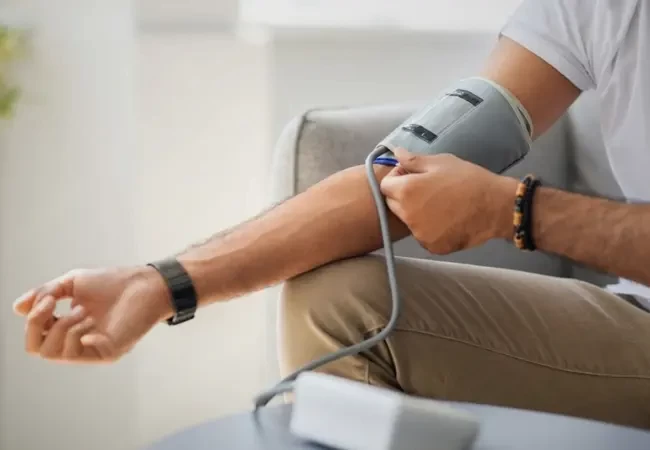
- Monitor your blood pressure at home. Keeping a log of your readings helps your doctor make better decisions.
- Maintain a healthy weight. Even small amounts of weight loss can improve blood pressure significantly.
- Check for sleep apnea. If you snore or feel excessively tired during the day, ask your doctor about a sleep study.
- Reduce salt intake. Avoid processed foods, snacks, and excess pickles or sauces.
- Stay physically active. At least 30 minutes of moderate exercise. Make it a habit and try to do it on most days of the week.
- Limit alcohol and quit smoking. Both have strong links to uncontrolled blood pressure.
Why Diagnosis Matters
Uncontrolled blood pressure and long-term hypertension increase the risk of heart disease, kidney failure, and stroke. For patients with resistant hypertension, proper diagnosis is the best way to control the condition. Only when the root cause of the high blood pressure is identified can treatment be adjusted effectively.
It is important to note that thorough evaluation, lifestyle changes, and the right combination of medicines can bring blood pressure under control in most patients.
Consult the Experts at Silverline Hospital
If you or a loved one is struggling with uncontrolled blood pressure despite medication, it is important to seek expert advice. As a trusted hospital in Kerala, Silverline Hospital has the best specialists in endocrinology and internal medicine. We offer personalized care for resistant hypertension. With advanced diagnostic tools and a patient-centered approach, we help you understand why your blood pressure remains high and how to manage it effectively.
Conclusion
Resistant hypertension can be worrying, but there is definitely a solution for it. We need to understand the hidden causes, follow correct treatment, and make necessary lifestyle changes. Be it sleep apnea, obesity, or salt sensitivity, every factor needs attention. If your blood pressure remains uncontrolled despite medicines, it is important to consult a doctor rather than ignore it. With the right guidance, blood pressure can be managed, and serious complications can be prevented.
FAQs
- What is resistant hypertension?
Resistant hypertension refers to blood pressure that remains high even after taking three or more medications, including a diuretic, at proper doses.
- Why is my blood pressure medication not working?
Your blood pressure medication is not working due to missed doses, obesity, diabetes, sleep apnea, high salt intake, or rare hormonal problems.
- Can lifestyle changes help if medicines are not enough?
Yes. Weight loss, reduced salt intake, exercise, and proper sleep can make a significant difference in controlling blood pressure.
- How does sleep apnea affect blood pressure?
Sleep apnea affects blood pressure by interrupting breathing during sleep, which increases stress on the heart and keeps blood pressure elevated.
- When should I see a doctor about uncontrolled blood pressure?
If your blood pressure remains high despite taking medicines regularly, or if you notice symptoms like headaches, chest pain, or shortness of breath, you should consult a doctor immediately.
More Blogs
-

Don't Ignore the Tingling: Understanding Diabetes-Related Nerve Problems
Discover the signs of diabetic nerve damage, including tingling, numbness and burning feet. Learn about diagnosis, treatment and nerve care.
-

Can Hypothyroidism Cause Constipation? What You Need to Know
Learn how hypothyroidism causes constipation, which thyroid tests help diagnose it, and how treatment, fibre, hydration and lifestyle changes can help.
-

Hypothyroidism Symptoms: Is Constant Fatigue a Sign of Thyroid Problems?
Discover common hypothyroidism symptoms and learn when constant fatigue may be a sign of thyroid problems.
-
Recognizing Diabetes Symptoms: Early Signs and When to Get Tested
Learn about diabetes symptoms, early warning signs, common risk factors, and when to get tested. Understand what changes to watch for and why early testing can help with timely diagnosis and care.
-

Don't Ignore Hair Loss: Hormonal Changes and Thyroid Problems Could Be the Cause
Learn how hormonal changes and thyroid problems can cause hair loss, the signs to watch for, and when to seek medical evaluation.


Are You at Risk of Diabetes? Find Out Instantly
Early detection can make all the difference
Check My Risk Now!