
 Home
Home  Booking
 Chat Now
  Call Us
 Blog
Your Hair
Your Health

Don't Ignore Hair Loss: Hormonal Changes and Thyroid Problems Could Be the Cause
 Medically reviewed by: Dr. Tom Babu, Consultant Diabetologist & Endocrinologist - Written by Riya Yacob - Updated on 11/9/2026
Yes, hormonal hair loss is a recognised condition, and thyroid problems are one of its more common causes. When thyroid hormone levels are too high or too low, the hair growth cycle is disrupted, leading to noticeable thinning or shedding. This is often reversible once the underlying hormonal or thyroid issue is identified and properly managed through medical treatment.
Key Takeaways
- Hormonal hair loss occurs when hormone levels affect the natural hair growth cycle
- Thyroid hair loss happens with both an underactive and an overactive thyroid gland
- Around 42 million people in India live with some form of thyroid disorder, and women are affected five to eight times more often than men
- Hair loss linked to thyroid function is usually diffuse, meaning it affects the whole scalp rather than specific patches
- A blood test measuring thyroid hormone levels is the standard way to check for a hormonal cause
Hair loss is rarely just about hair, and in many cases, it is one of the earlier signals that something inside the body needs attention, particularly when it comes to hormone levels. Hormonal hair loss can develop gradually, and people often try new shampoos or treatments before considering that the actual cause lies elsewhere, in the thyroid gland or in a broader hormonal imbalance.
At Silverline Hospital, we regularly meet patients who have been managing thinning hair for months without realising a thyroid condition was behind it. This article looks at how thyroid function affects hair growth, what other hormonal factors play a role, and what steps to take if you notice ongoing hair thinning.
How Thyroid Problems Lead to Hair Loss?
The thyroid gland produces hormones that regulate metabolism, and these hormones also influence how hair follicles behave. When thyroid hormone production is too low, a condition known as hypothyroidism, the hair growth cycle slows down. Follicles spend more time in a resting phase, which results in gradual thinning across the scalp rather than in one specific area.
An overactive thyroid, or hyperthyroidism, can also cause hair loss, though the pattern and underlying mechanism differ slightly. In both cases, thyroid problems and hair loss tend to appear together because the gland's hormone output has a direct effect on how quickly and how well hair regenerates.
Common Signs Alongside Hair Thinning
- Persistent fatigue that does not improve with rest
- Unexplained weight changes without diet or activity changes
- Sensitivity to cold or heat that feels unusual for the season
- Changes in skin texture, particularly dryness
- Irregular periods, in women who menstruate
If several of these appear together with hair thinning, a thyroid function test is a reasonable next step.
Other Hormonal Causes Behind Hair Thinning
Thyroid function is not the only hormonal factor involved in hair loss. Hormonal imbalance and hair loss can also result from shifts in oestrogen, progesterone, or androgen levels, which commonly occur during specific life stages.
- Pregnancy and Postpartum Changes
Hormone levels shift considerably during and after pregnancy. Many women notice increased shedding a few months after childbirth, which is usually temporary and related to hormones returning to their pre-pregnancy levels.
- Menopause
As oestrogen levels decline during menopause, hair can become thinner and grow more slowly. This is a well-documented pattern and one of the more frequent causes of hair loss in women in their mid-forties and beyond.
- Polycystic Ovary Syndrome (PCOS)
PCOS is associated with higher androgen levels, which can lead to thinning at the crown or top of the scalp, alongside other symptoms such as irregular cycles or acne.
Thyroid-Related vs Other Hormonal Hair Loss
| Cause | Typical Pattern | Other Common Symptoms |
| Hypothyroidism | Diffuse thinning across scalp | Fatigue, weight gain, cold sensitivity |
| Hyperthyroidism | Diffuse thinning, sometimes with texture changes | Weight loss, rapid heartbeat, anxiety |
| Postpartum hormonal shift | Increased shedding, usually temporary | Occurs a few months after childbirth |
| Menopause | Gradual thinning over time | Hot flushes, irregular periods, mood changes |
| PCOS | Thinning at crown, with excess facial or body hair | Irregular periods, acne, weight changes |
This table offers a general guide, but only a proper clinical assessment can confirm the exact cause behind hair loss in an individual case.
Why Hair Loss to Hormonal Changes Often Goes Unaddressed?
Hair thinning is often attributed to stress, ageing, or genetics, which means the hormonal or thyroid connection can be missed for a long time. Hair loss due to hormonal changes frequently develops alongside other symptoms that seem unrelated on the surface, such as tiredness or mood changes, so people may consult a dermatologist for the hair concern without checking thyroid function at the same time.
Left unaddressed, an underlying thyroid condition does not only affect hair. It can influence energy levels, weight, and long-term metabolic health. This is one of the reasons a proper diagnosis matters, rather than only treating the visible symptom.
What Other Conditions Can Cause Hair Loss?
Thyroid disease is only one possible cause of hair loss. Other causes include hereditary hair loss, hormonal imbalance such as PCOS, nutritional deficiencies, certain illnesses, medications, scalp conditions and autoimmune hair-loss disorders. Identifying the underlying cause is important because treatment depends on the type of hair loss.
When to See a Doctor?
A medical evaluation is worth considering if hair thinning is accompanied by any of the following:
- Fatigue lasting several weeks without an obvious cause
- Noticeable weight changes without changes in diet or exercise
- Irregular menstrual cycles
- Ongoing changes in skin or nail texture
- Hair shedding that continues for more than a few months without improvement
A thyroid function test may be appropriate when symptoms suggest thyroid disease, while other blood tests or investigations may be considered when the clinical assessment points to nutritional deficiencies, hormonal imbalance or another cause.
Conclusion
Hair loss connected to hormones or thyroid function tends to develop quietly, often alongside other symptoms that are easy to overlook individually. Recognising the pattern, whether it involves fatigue, weight changes, or irregular cycles, can lead to an earlier and more accurate diagnosis. Addressing the underlying hormonal or thyroid cause generally leads to better outcomes than treating hair thinning on its own.
If you have noticed ongoing hair thinning alongside other unexplained symptoms, get in touch with Silverline Hospital to arrange a thyroid evaluation.
Frequently Asked Questions (FAQs)
Q1: Can hair loss from thyroid problems grow back?
A1: In most cases, yes. Once thyroid hormone levels are brought back into a normal range through appropriate treatment, hair growth typically resumes over the following months.
Q2: How long does thyroid-related hair loss usually last?
A2: This varies from person to person, but noticeable improvement is often seen within three to six months of thyroid levels being properly managed. Full regrowth can take longer, depending on individual hair growth cycles.
Q3: Is hormonal hair loss the same as normal hair fall?
A3: Not quite. Everyone sheds some hair daily, but hormonal hair loss involves a more noticeable pattern of thinning over time, usually linked to an underlying hormonal or thyroid condition rather than the ordinary hair growth cycle.
Q4: Should I see a dermatologist or an endocrinologist for hair loss?
A4: It depends on the suspected cause. If hair loss appears alongside symptoms like fatigue, weight changes, or irregular periods, starting with a thyroid or hormonal evaluation is often more useful than treating the hair alone.

More Blogs
-

Don't Ignore the Tingling: Understanding Diabetes-Related Nerve Problems
Discover the signs of diabetic nerve damage, including tingling, numbness and burning feet. Learn about diagnosis, treatment and nerve care.
-

Can Hypothyroidism Cause Constipation? What You Need to Know
Learn how hypothyroidism causes constipation, which thyroid tests help diagnose it, and how treatment, fibre, hydration and lifestyle changes can help.
-
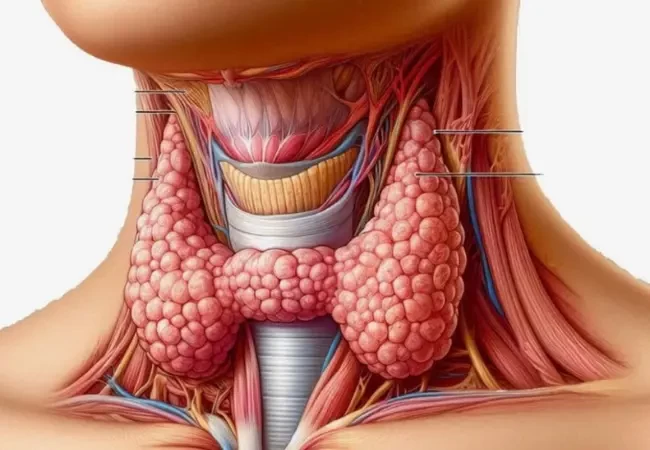
Hypothyroidism Symptoms: Is Constant Fatigue a Sign of Thyroid Problems?
Discover common hypothyroidism symptoms and learn when constant fatigue may be a sign of thyroid problems.
-

Recognizing Diabetes Symptoms: Early Signs and When to Get Tested
Learn about diabetes symptoms, early warning signs, common risk factors, and when to get tested. Understand what changes to watch for and why early testing can help with timely diagnosis and care.



Are You at Risk of Diabetes? Find Out Instantly
Early detection can make all the difference
Check My Risk Now!