
 Home
Home  Booking
 Chat Now
  Call Us
 Blog
Fatigue
Thyroid Health

Hypothyroidism Symptoms: Is Constant Fatigue a Sign of Thyroid Problems?
 Medically reviewed by: Dr. Tom Babu, Consultant Diabetologist & Endocrinologist - Written by Riya Yacob - Updated on 28/9/2026
Yes, constant fatigue is one of the more common hypothyroidism symptoms, particularly when rest doesn't fix it and it shows up alongside weight gain, dry skin, hair thinning or feeling cold most of the time. An underactive thyroid slows the body's metabolism, so energy production drops. Fatigue alone doesn't confirm thyroid problems, but when it persists for weeks and occurs alongside other symptoms of hypothyroidism.
Key Takeaways
- Constant fatigue that doesn't improve with sleep is a frequent early sign of hypothyroidism, not just a symptom of a busy life.
- Hypothyroidism symptoms in adults usually build up gradually, so many people put them down to ageing or stress.
- Weight gain, dry skin, hair loss, low mood, constipation and feeling cold are other common signs of hypothyroidism.
- A TSH blood test is usually the first test used to assess thyroid function, with free T4 testing used alongside it when appropriate.
- Roughly 1 in 10 adults in India lives with hypothyroidism, according to research cited by endocrinologists, so fatigue linked to thyroid disorder symptoms is far from rare.
- Left unmanaged, thyroid fatigue can affect work, mood and daily routine, but it usually responds well to treatment once diagnosed.
Waking up tired despite a full night's sleep is something most people brush off. Deadlines, poor sleep, a new baby, or simply a long week can all leave a person feeling drained. But when tiredness settles in and refuses to lift, no matter how much rest a person gets, it's worth asking whether something else is going on. These can be hypothyroidism symptoms. The thyroid gland produces hormones that help regulate how the body uses energy. If you have been feeling unusually low on energy for weeks and want to understand what's behind it, our thyroid treatment team can help you get the clarity you need. This blog explains how thyroid-related tiredness differs from ordinary tiredness, the other signs worth watching for, and when a visit to the doctor makes sense.
Why the Thyroid Affects Energy Levels?
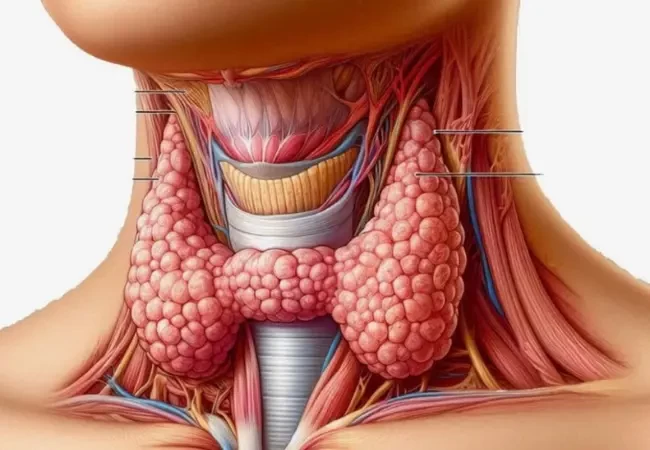
The thyroid is a small, butterfly-shaped gland at the base of the neck, and it produces hormones that regulate how fast or slow the body's cells work. Think of it as a dimmer switch for metabolism. When thyroid hormone levels drop, that switch turns down, and nearly every system in the body, from digestion to heart rate to brain function, slows along with it.
Many people describe this kind of tiredness differently from ordinary exhaustion. It doesn't lift after a weekend of rest. It may feel more persistent than ordinary tiredness and can occur alongside difficulty concentrating or slowed thinking.
Common Hypothyroidism Symptoms Beyond Fatigue
Most people with an underactive thyroid notice a handful of these signs building up gradually over months:
- Physical Signs
- Unexplained weight gain, or difficulty losing weight despite normal eating habits
- Feeling cold when others around you feel comfortable
- Dry skin and brittle nails
- Hair thinning or noticeable hair fall
- Puffiness around the face and eyes
- Muscle aches, stiffness or weakness
- Constipation
Emotional and Mental Signs
- Low mood or a sense of flatness that doesn't match your usual outlook
- Trouble concentrating, sometimes called brain fog
- Slower speech or memory lapses
- Reduced interest in activities you'd normally enjoy
Signs Specific to Women
- Irregular or heavier periods
- Difficulty conceiving
- Symptoms that worsen after pregnancy
These hypothyroidism symptoms in adults tend to appear so slowly that people adjust their lifestyle around them without realising anything has changed. A person might simply start sleeping longer, skipping workouts, or blaming everything on stress at work.
Ordinary Tiredness or Thyroid Fatigue?
| Feature | Everyday Tiredness | Thyroid-Related Fatigue |
| Improves with sleep | Usually, yes | Rarely, even after a full night |
| Duration | A few days | Weeks or months |
| Linked to other symptoms | Not necessarily | Often paired with weight gain, dry skin, low mood |
| Cold sensitivity | Not typical | Common |
| Response to rest or holidays | Recovers | Stays much the same |
| Confirmed by | No test needed | A simple TSH blood test |
When Fatigue Need a Doctor's Visit
Not every tired day needs medical attention. But a visit to an endocrinologist for thyroid problems is worth considering if fatigue:
- Has lasted more than a few weeks without a clear cause
- Comes with weight changes you can't explain
- Is paired with hair loss, dry skin or feeling cold
- Affects your mood, memory or ability to concentrate
- Runs in your family, since thyroid conditions often have a genetic link
A hypothyroidism doctor will usually start with a simple blood test measuring thyroid stimulating hormone, known as TSH, along with free T4. These results, alongside a discussion of your symptoms, are usually enough to confirm whether the thyroid is behind the tiredness.
What Happens After Diagnosis?
Hypothyroidism is one of the more manageable chronic conditions once identified. Treatment typically involves a daily thyroid hormone replacement tablet, taken on an empty stomach, with dosage adjusted based on regular blood tests. Most people notice their energy returning within a few weeks of starting treatment, though it can take a little longer for levels to settle fully. Diet, sleep and stress management also play a supporting role, though medication remains the main part of managing thyroid disorder symptoms long term.
Conclusion
Persistent fatigue is a common symptom of hypothyroidism, although fatigue alone does not indicate that a person has a thyroid disorder. It isn't the only possible explanation, but it's common enough that it shouldn't be ignored, particularly given how many adults live with an underactive thyroid without realising it. A short blood test can offer clarity, and treatment, once started, tends to bring steady improvement.
If constant fatigue, weight changes or any of the signs above sound familiar, it may be time to get your thyroid checked properly. At Silverline Hospital, we offer thorough thyroid testing and personalised care from experienced endocrinologists who can help you understand exactly what your body is telling you.
Frequently Asked Questions (FAQs)
Q1: Can hypothyroidism cause fatigue even if I sleep well every night?
A1: Yes, hypothyroidism can cause fatigue regardless of how much sleep you get, because the tiredness comes from a slower metabolism rather than a lack of rest.
Q2: What is the first symptom of hypothyroidism most people notice?
A2: Fatigue and unexplained weight gain are usually the first signs people notice, though some also notice feeling cold more easily or changes in their skin and hair before anything else stands out.
Q3: How is hypothyroidism diagnosed?
A3: A blood test measuring TSH and free T4 levels is the standard way to diagnose hypothyroidism, and your doctor may repeat it after starting treatment to check that the dosage is right.
Q4: Is hypothyroidism more common in women than men?
A4: Yes, hypothyroidism is considerably more common in women, particularly after the age of 40, though men can develop it too.
Q5: Can hypothyroidism symptoms improve on their own without treatment?
A5: No, hypothyroidism symptoms generally don't resolve on their own since the thyroid gland needs hormone support through medication, but most people see steady improvement once treatment begins.
More Blogs
-

Don't Ignore the Tingling: Understanding Diabetes-Related Nerve Problems
Discover the signs of diabetic nerve damage, including tingling, numbness and burning feet. Learn about diagnosis, treatment and nerve care.
-

Can Hypothyroidism Cause Constipation? What You Need to Know
Learn how hypothyroidism causes constipation, which thyroid tests help diagnose it, and how treatment, fibre, hydration and lifestyle changes can help.
-

Recognizing Diabetes Symptoms: Early Signs and When to Get Tested
Learn about diabetes symptoms, early warning signs, common risk factors, and when to get tested. Understand what changes to watch for and why early testing can help with timely diagnosis and care.
-

Don't Ignore Hair Loss: Hormonal Changes and Thyroid Problems Could Be the Cause
Learn how hormonal changes and thyroid problems can cause hair loss, the signs to watch for, and when to seek medical evaluation.



Are You at Risk of Diabetes? Find Out Instantly
Early detection can make all the difference
Check My Risk Now!