
 Home
 Booking
 Chat Now
 Call Us
Blog
Weight Loss
Expertly Guided

GLP-1 Injections for Weight Loss: What You Need to Know
 Medically reviewed by: Dr. Tom Babu, Consultant Diabetologist & Endocrinologist - Written by Riya Yacob - Updated on 26/10/2026
No. GLP-1 injections for weight loss are meant for people who live with obesity or a related medical condition, and they work best under a specialist’s care. A healthy person with normal body fat gains little from them and may face added health risks, including muscle loss. Treatment also continues over the long term, since weight can return after stopping.
Key Takeaways
- These medicines are prescribed for a medical reason, with a doctor guiding the plan
- Healthy individuals with normal body fat are advised to avoid them, as muscle loss and other health problems become more likely
- Treatment is a long-term commitment rather than a course of one or two months
- Weight can return once the injections stop
- A plan built around your own health condition, supervised by a specialist, gives the safest route
More people are asking about weight loss injections now than ever before, and the questions come from very different situations. Some have lived with obesity for years. Others already look fit and still wish to try them. In our clinic, we meet both groups, and the advice we give differs for each. This article walks through what these medicines do, who benefits, why long-term thinking matters and how a specialist-led plan works.
What GLP-1 Injections Do
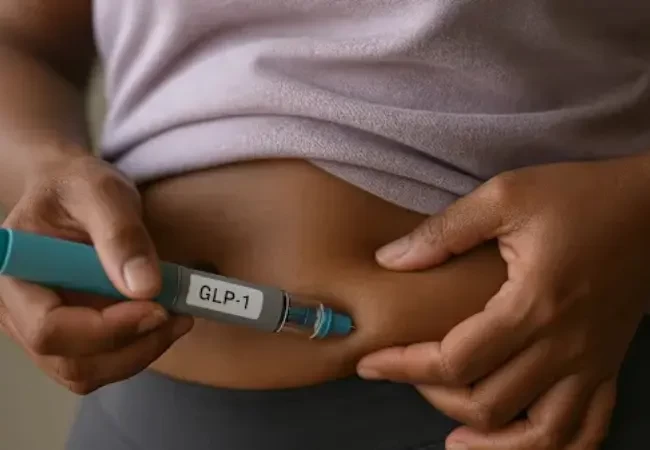
GLP-1 receptor agonists for weight management copy a natural hormone released by the gut after meals. That hormone helps you feel full sooner and eat less. Doctors prescribe GLP-1 medications for weight loss to people whose body weight affects their health, and the same family of medicines has long been used in diabetes care.
You may see them described in different ways, such as GLP-1 weight loss injections or GLP-1 drugs for obesity. The label changes, yet the idea is the same: a prescription medicine that supports appetite control in someone who has a medical need for weight reduction.
Who Should Consider GLP-1 Injections
People With Obesity or Related Health Conditions
The treatment is designed for people whose weight puts their health under strain. For them, a doctor weighs the benefits against the risks, and the injections form one part of a wider plan that includes eating habits and activity.
People Already at a Healthy Weight
Someone walks in who looks perfectly healthy and asks for these injections. The reasons vary. One person may be preparing for a role in a film, and another may have a different goal in mind. Some are so keen that, if we decline to begin treatment, they may try to buy the injections from the grey market and use them alone. We do meet such people.
According to Dr SM Karthik, Consultant Adult and Pediatric Endocrinologist at Silverline Hospital, a healthy person with no disease or medical condition should avoid these injections. Taking them can raise the chance of developing health problems.
Who Benefits and Who Should Wait
| Situation | Suitability | Reason |
| Obesity or weight-related condition | Suitable after specialist review | Medical need is present, and progress can be monitored |
| Healthy weight, wanting a quick change | Advised to avoid | Body fat is already low, so risks outweigh benefits |
| Preparing for an event or role | Advised to avoid | Short-term goals do not match long-term treatment |
| Buying injections without a prescription | Advised to avoid | Absence of medical supervision |
Why Healthy Individuals Face Added Risk
A person at a normal weight begins with modest body fat. When appetite falls and weight drops further, the body may draw on muscle as well as fat. Losing muscle weakens strength and can worsen overall health. This is the main reason we steer healthy individuals towards other choices, such as balanced meals and regular movement.
Treatment is Long-Term
One Course May Not Help
Many people think that taking the injections for a month or two, losing the weight and carrying on as before. Real treatment works differently, and these medicines support weight control only while they are used, and stopping can allow weight to return.
What Research Shows
A follow-up of the STEP 1 trial offers a useful picture. Participants lost an average of 17.3% of their body weight over 68 weeks on semaglutide. After the medicine and lifestyle support were withdrawn, they regained two-thirds of their prior weight loss within a year.
These findings published on PubMed Central support what we explain to patients. Obesity is a long-term condition, so the plan has to be long-term as well.
Why a Specialist-Led Plan Matters
Your Health Comes First
Two people with the same weight can have very different health needs. A specialist looks at your medical history, current conditions and goals before deciding whether injections suit you.
Regular Follow-Up
Treatment works best when someone reviews progress, adjusts the plan and checks your overall wellbeing along the way. This is far easier to do with a doctor who knows your case than with injections obtained from an unverified source.
Support Beyond the Injection
Food choices, physical activity, and sleep all shape results. A plan that brings these together gives you more lasting benefit than medicine alone.
Conclusion
GLP-1 injections for weight loss serve people whose weight is linked to a health condition and who commit to ongoing, supervised care. For healthy individuals, the better path involves a suitable lifestyle plan rather than medication. “Instead of trying weight-loss medicines on your own, follow a treatment plan suited to your health condition under a specialist’s care,” says Dr Karthik.
If you are considering treatment for weight management, we at Silverline Hospital are ready to assess your health and recommend a plan that fits you.
Frequently Asked Questions (FAQS)
Q1: Can a healthy person take GLP-1 injections for weight loss?
A1: A healthy person with no medical condition is advised to avoid them. Body fat is already low, so muscle loss and other health problems become more likely. A doctor can suggest safer ways to reach a fitness goal.
Q2: Do I need to take weight loss injections for life?
A2: Treatment is long-term rather than a one- or two-month course. Weight can return after the injections stop, so your specialist will plan the duration and any changes based on your health condition and progress.
Q3: Is it safe to buy GLP-1 medications for weight loss from the grey market?
A3: Using them without a prescription removes medical supervision and is best avoided. A specialist selects the right treatment for your condition and monitors your progress, which keeps the process safer and more effective.
More Blogs
-

Don't Ignore the Tingling: Understanding Diabetes-Related Nerve Problems
Discover the signs of diabetic nerve damage, including tingling, numbness and burning feet. Learn about diagnosis, treatment and nerve care.
-

Can Hypothyroidism Cause Constipation? What You Need to Know
Learn how hypothyroidism causes constipation, which thyroid tests help diagnose it, and how treatment, fibre, hydration and lifestyle changes can help.
-
Hypothyroidism Symptoms: Is Constant Fatigue a Sign of Thyroid Problems?
Discover common hypothyroidism symptoms and learn when constant fatigue may be a sign of thyroid problems.
-
Recognizing Diabetes Symptoms: Early Signs and When to Get Tested
Learn about diabetes symptoms, early warning signs, common risk factors, and when to get tested. Understand what changes to watch for and why early testing can help with timely diagnosis and care.


Are You at Risk of Diabetes? Find Out Instantly
Early detection can make all the difference
Check My Risk Now!