
 Home
Home  Booking
 Chat Now
  Call Us
 Blog
Recognize the Signs
Get Tested Early

Recognizing Diabetes Symptoms: Early Signs and When to Get Tested
 Medically reviewed by: Dr. Tom Babu, Consultant Diabetologist & Endocrinologist - Written by Riya Yacob - Updated on 24/9/2026
The early signs of diabetes include frequent urination, unusual thirst, tiredness that doesn't ease with rest, blurred vision and slow-healing cuts. These symptoms appear because excess sugar builds up in the blood instead of reaching the body's cells for energy. If you have symptoms that could indicate diabetes, a doctor may recommend blood tests such as fasting plasma glucose or HbA1c to determine whether your blood sugar is in the diabetic range.
Key Takeaways
- Frequent urination and constant thirst are among the earliest and most noticeable diabetes warning signs.
- Fatigue linked to diabetes often feels different from ordinary tiredness, since it doesn't improve with sleep.
- Nearly 40% of diabetes cases in some Indian studies go undiagnosed, which makes recognising possible symptoms of diabetes important.
- Blurred vision, slow wound healing and unexplained weight loss are signs worth discussing with a doctor.
- A fasting blood sugar test or HbA1c test is the standard way to confirm diabetes.
Type 2 diabetes symptoms build up gradually, so many people live with them for months before getting tested.
Type 2 diabetes can develop gradually, and some people may have few or no noticeable symptoms for a long time. These small changes are frequently the early signs of diabetes, and they should be discussed with a healthcare professional if they persist or occur together. At Silverline Hospital, we see many patients who only get tested after months of unexplained tiredness or blurred vision, when earlier testing could have made management considerably simpler. This blog explains the symptoms worth watching for, how they differ from everyday fatigue or thirst, and what getting tested actually involves.
Why Do Diabetes Symptoms Develop?
Diabetes develops when the body either doesn't produce enough insulin or can't use it properly. Insulin is the hormone responsible for moving sugar out of the bloodstream and into cells, where it gets used for energy. When this process breaks down, sugar builds up in the blood rather than reaching the muscles and organs that need it. The kidneys remove excess glucose through the urine when blood glucose levels become sufficiently high.
This is a gradual process for type 2 diabetes, which is why symptoms of diabetes often go unnoticed at first. Type 1 diabetes can develop rapidly, with symptoms becoming noticeable over a relatively short period.
Common Early Signs of Diabetes
- Increased Thirst and Urination
One of the clearest signs of diabetes is needing to urinate more often, including waking up at night for it. This happens because the kidneys work harder to remove extra sugar from the blood, pulling more water along with it. The resulting fluid loss then triggers persistent thirst, even after drinking water.
- Constant Fatigue
When cells can't access enough sugar for fuel, the body simply has less energy to work with. This kind of tiredness tends to stay put through the day and doesn't improve much with sleep, which is different from feeling worn out after a demanding week.
- Blurred Vision
High blood sugar can cause temporary changes in the shape of the eye's lens, which can lead to blurred vision. Some people notice their vision becomes blurry on and off, particularly when blood sugar levels swing sharply after meals.
- Slow-Healing Cuts and Wounds
Persistently high blood glucose can impair circulation, immune function and tissue repair, which may contribute to slower wound healing. A cut or bruise that takes noticeably longer to heal than usual is a symptom that can occur with diabetes, particularly when blood sugar levels remain elevated.
- Unexplained Weight Loss
This appears more with type 1 diabetes, where the body starts breaking down muscle and fat for energy because it can't use sugar properly. Losing weight without changing diet or activity levels is worth mentioning to a doctor.
- Tingling or Numbness
Tingling or numbness in the hands or feet can occur when diabetes-related nerve damage develops, particularly when blood glucose levels remain high over time.
- Hunger That Doesn't Go Away
Despite eating regular meals, the body's cells remain starved of usable energy, which can trigger frequent hunger even shortly after eating.
Everyday Tiredness or Diabetes Fatigue?
| Symptoms | Everyday Tiredness | Diabetes-Related Fatigue |
| Improves with rest | Usually | Rarely |
| Linked to thirst or frequent urination | Not typically | Often paired together |
| Duration | A few days | Weeks or longer |
| Confirmed by | No test needed | Fasting blood sugar or HbA1c test |
Getting Tested: What to Expect
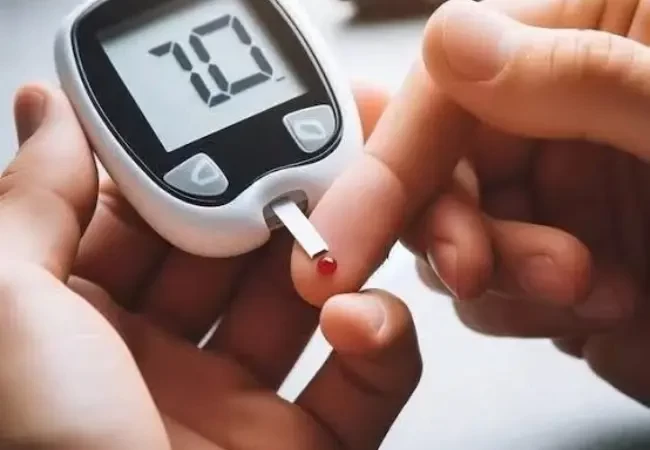
If you notice a few of the symptoms above, a doctor will usually recommend one or more of the following:
- Fasting blood sugar test, taken after roughly eight hours without food
- HbA1c test, which shows average blood sugar levels over the past two to three months
- Random blood sugar test, useful when symptoms are present regardless of meal timing
- Oral glucose tolerance test, sometimes used to confirm borderline results
These tests require no special preparation beyond fasting, and results are usually available within a day.
What Happens After Diagnosis
A diabetes diagnosis means that appropriate treatment and ongoing management can begin. Most people manage type 2 diabetes through a mix of diet changes, regular physical activity, and medication where needed, with blood sugar levels checked periodically to track progress. Type 1 diabetes requires insulin from the outset, alongside consistent monitoring. Either way, catching the condition early through its warning signs generally makes management considerably more straightforward than addressing it after complications appear.
Related Blog:
Don't Ignore These Warning Signs of Diabetes: 4 Early Symptoms That May Indicate High Blood SugarConclusion
Diabetes symptoms can be mild or absent, particularly in the early stages of type 2 diabetes. It shows up through small, easy-to-miss changes, more trips to the bathroom, persistent thirst, tiredness that lingers, or a wound that takes its time healing. Recognising these early symptoms of diabetes and getting a simple blood test can make a meaningful difference to how the condition is managed going forward.
If you have noticed any of these early signs of diabetes, early testing can help identify diabetes sooner and allow appropriate management to begin. At Silverline Hospital, we offer accurate diabetes screening and personalised treatment plans guided by experienced physicians.
Frequently Asked Questions (FAQs)
Q1: What is usually the first noticeable sign of diabetes?
A1: Increased thirst and more frequent urination are usually the first signs people notice, often before fatigue or other symptoms appear.
Q2: Can someone have diabetes without any symptoms at all?
A2: Yes, it's possible to have diabetes with very mild or no noticeable symptoms for some time, which is why routine blood sugar testing matters even without obvious signs, particularly for people with a family history or other risk factors.
Q3: How soon should I get tested if I notice these symptoms?
A3: It's best to get tested within a few weeks of noticing persistent symptoms, since early detection makes management considerably easier.
Q4: Is frequent urination always a sign of diabetes?
A4: No, frequent urination can have other causes too, such as increased fluid intake or a urinary tract infection, but when it's paired with thirst and fatigue, diabetes becomes a reasonable possibility worth testing for.
Q5: Does losing weight without trying always point to diabetes?
A5: Not always, but unexplained weight loss alongside other diabetes symptoms, such as fatigue or frequent urination, is worth discussing with a doctor rather than ignoring.
More Blogs
-

Don't Ignore the Tingling: Understanding Diabetes-Related Nerve Problems
Discover the signs of diabetic nerve damage, including tingling, numbness and burning feet. Learn about diagnosis, treatment and nerve care.
-

Can Hypothyroidism Cause Constipation? What You Need to Know
Learn how hypothyroidism causes constipation, which thyroid tests help diagnose it, and how treatment, fibre, hydration and lifestyle changes can help.
-

Hypothyroidism Symptoms: Is Constant Fatigue a Sign of Thyroid Problems?
Discover common hypothyroidism symptoms and learn when constant fatigue may be a sign of thyroid problems.
-

Don't Ignore Hair Loss: Hormonal Changes and Thyroid Problems Could Be the Cause
Learn how hormonal changes and thyroid problems can cause hair loss, the signs to watch for, and when to seek medical evaluation.



Are You at Risk of Diabetes? Find Out Instantly
Early detection can make all the difference
Check My Risk Now!