
 Home
Home  Booking
 Chat Now
  Call Us
 Blog
Fertility Beyond
Diabetes

Can Men with Diabetes Have Children? Understanding Fertility and Reproductive Health
 Medically reviewed by: Dr. Tom Babu, Consultant Diabetologist & Endocrinologist - Written by Riya Yacob - Updated on 28/7/2026
Yes, men with diabetes can have children. Diabetes does not automatically switch off a man's ability to father a child, but it can make the journey a little more complicated. At Silverline Hospital, we meet many men who ask this question quietly, almost apologetically, as though diabetes has already decided their future for them. It hasn't. What diabetes does is change certain things in the body that support fertility, and once you understand diabetes and male fertility and what those changes are, you can work around most of them.
How Diabetes Affects Male Fertility
Diabetes affects the body in more places than the pancreas. Nerves, blood vessels, hormones, and even the DNA inside sperm cells can all be nudged off course by years of high blood sugar. This is why diabetes and male reproductive health are so closely linked, even though the two might seem unrelated at first glance.
Sperm Quality and Count
Several clinical studies have compared semen samples from diabetic and non-diabetic men, and the pattern shows up again and again. A study from Queen's University Belfast found that sperm from men with diabetes had a far higher rate of DNA damage, over half the sperm cells were affected, compared to roughly a third in men without diabetes (Science/AAAS, 2004). That kind of damage doesn't always stop conception, but it can make it harder, and it may raise the chance of complications later.
This is where male fertility with diabetes becomes a genuine talking point rather than a footnote. Sperm quality, sperm count, and sperm motility (how well sperm actually swim towards the egg) can all dip when blood sugar stays high for long stretches. The good news is that improving blood sugar management, weight, physical activity, smoking, and alcohol habits may support better reproductive health and semen parameters, although the degree of improvement varies from person to person.
Diabetes and Erectile Dysfunction
Ask most men what worries them most about diabetes and fertility, and erectile function usually comes up before sperm counts do. Diabetes and erectile dysfunction are connected because high blood sugar damages the small blood vessels and nerves needed for an erection. NICE specifically recognises diabetes as a condition associated with erectile dysfunction and recommends assessment of contributory factors and treatment options. Medication, lifestyle changes, and sometimes simple device-based options can restore function in a large number of cases.
The Role of Testosterone and Reproductive Hormones
Hormones run the whole fertility system quietly in the background, and diabetes can throw them slightly off balance. Testosterone levels in men with type 2 diabetes tend to sit lower than in men without the condition, largely because excess body fat converts testosterone into oestrogen at a faster rate. Low testosterone can affect libido and may be associated with impaired reproductive function. However, testosterone treatment is not a fertility treatment and can reduce sperm production in some men, so men trying to conceive should discuss treatment options with a specialist.
Apart from testosterone, other reproductive hormones, including luteinising hormone and follicle-stimulating hormone, help regulate sperm production in the testes. Diabetes can interfere with the signals these hormones send, which is one reason some men with diabetes notice a drop in fertility even when their sperm count looks fairly normal on paper.
Blood Sugar Control and Insulin Resistance
If there is one single factor that ties everything together, it's blood sugar control. Consistently high glucose levels create oxidative stress throughout the body, and the testes are usually very sensitive to this kind of stress because sperm cells are still developing and dividing.
Insulin resistance, the underlying issue in most cases of type 2 diabetes, also plays its own separate role. It disrupts normal hormone signalling and tends to go hand in hand with weight gain, which further lowers testosterone. Bringing insulin resistance under control, through diet, exercise, movement, and sometimes medication, often improves fertility within a few months in most cases.
Practical Steps That Actually Help
None of this means a diagnosis of diabetes should be treated as a fertility diagnosis. Many factors that affect fertility can be improved or managed with appropriate diabetes care and treatment, although the extent of improvement varies from person to person.
- Keeping blood glucose within the range your doctor recommends, rather than aiming for perfection
- If you are overweight, gradual weight loss may improve metabolic health and may support healthier testosterone levels
- Avoiding smoking and limiting heavy alcohol use, as both can negatively affect reproductive health
- Staying physically active most days of the week, even if it's just brisk walking
- Getting testosterone and semen parameters checked if you have been trying to conceive for long without success
- Small, steady changes tend to outperform dramatic short-term efforts here. Fertility responds to consistency.
When to See a Doctor
If you have diabetes and are concerned about fertility, speak with a healthcare professional sooner rather than waiting for a fixed period. In general, fertility evaluation is commonly recommended after 12 months of regular unprotected intercourse when the female partner is under 35, or after 6 months when she is 35 or older. Earlier diabetes assessment may be appropriate when there is a known condition or concern that could affect fertility. Some couples may conceive naturally after underlying health factors are addressed, while others may need further fertility evaluation or treatment depending on the cause of difficulty conceiving.
Frequently Asked Questions (FAQs)
Q1: Can men with diabetes have children naturally, without any fertility treatment?
A1: Yes, plenty of men with diabetes father children naturally, especially when blood sugar is reasonably well managed and other health factors are in check.
Q2: Does type 1 diabetes affect fertility differently than type 2?
A2: Both type 1 and type 2 diabetes can affect male reproductive health, and the effects vary according to factors such as blood glucose control, duration of diabetes, complications affecting the nerves or blood vessels, weight, hormone levels, and other health conditions. Type 2 diabetes is particularly associated with obesity, insulin resistance, and lower testosterone levels, while long-standing diabetes of either type can contribute to complications that affect sexual function.
Q3: How long does it take for better blood sugar control to improve fertility?
A3: Some men notice changes in energy and libido within weeks, but sperm production and maturation take roughly 2 to 3 months, so changes in health and lifestyle may take several weeks to months before their effects are reflected in semen parameters.
Talk to us about your fertility concerns
Diabetes and fertility can feel like an overwhelming combination to think about, but you don't have to work through it alone. At Silverline Hospital, we help men understand exactly how diabetes is affecting their reproductive health and build a realistic plan to manage it. For more about diabetes care and its connection to fertility, get in touch with Silverline Hospital to book a consultation.

More Blogs
-

Don't Ignore the Tingling: Understanding Diabetes-Related Nerve Problems
Discover the signs of diabetic nerve damage, including tingling, numbness and burning feet. Learn about diagnosis, treatment and nerve care.
-

Can Hypothyroidism Cause Constipation? What You Need to Know
Learn how hypothyroidism causes constipation, which thyroid tests help diagnose it, and how treatment, fibre, hydration and lifestyle changes can help.
-
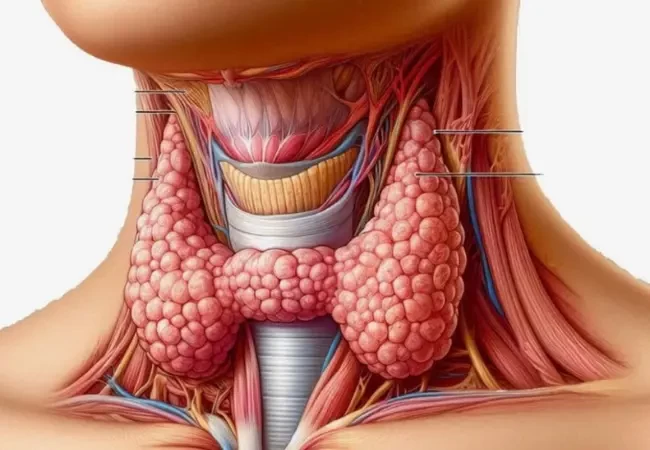
Hypothyroidism Symptoms: Is Constant Fatigue a Sign of Thyroid Problems?
Discover common hypothyroidism symptoms and learn when constant fatigue may be a sign of thyroid problems.
-
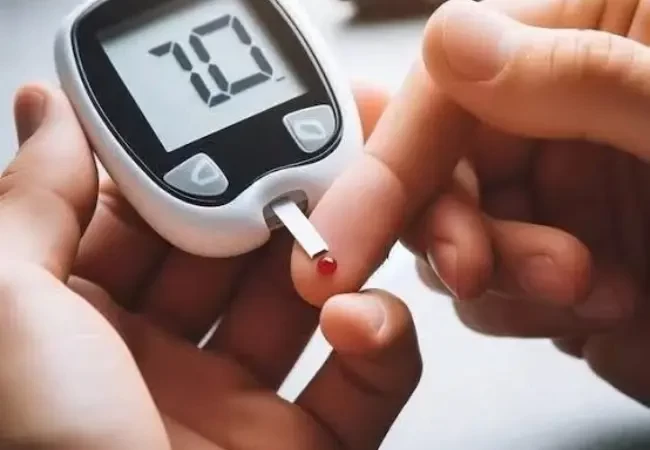
Recognizing Diabetes Symptoms: Early Signs and When to Get Tested
Learn about diabetes symptoms, early warning signs, common risk factors, and when to get tested. Understand what changes to watch for and why early testing can help with timely diagnosis and care.
-

Don't Ignore Hair Loss: Hormonal Changes and Thyroid Problems Could Be the Cause
Learn how hormonal changes and thyroid problems can cause hair loss, the signs to watch for, and when to seek medical evaluation.



Are You at Risk of Diabetes? Find Out Instantly
Early detection can make all the difference
Check My Risk Now!