
 Home
Home  Booking
 Chat Now
  Call Us
 Blog
Thyroid
&
Joint Pain

Does Thyroid Disease cause Joint Pain
Thyroid disease emerges as a disruptor, instigating an imbalance in the production of vital thyroid hormones that play a pivotal role in regulating diverse bodily functions. Disorders such as hypothyroidism and hyperthyroidism can arise, leading to diverse symptoms affecting metabolism, energy levels, and overall well-being. So, does the thyroid lead to joint pain? Let's delve into that topic further.
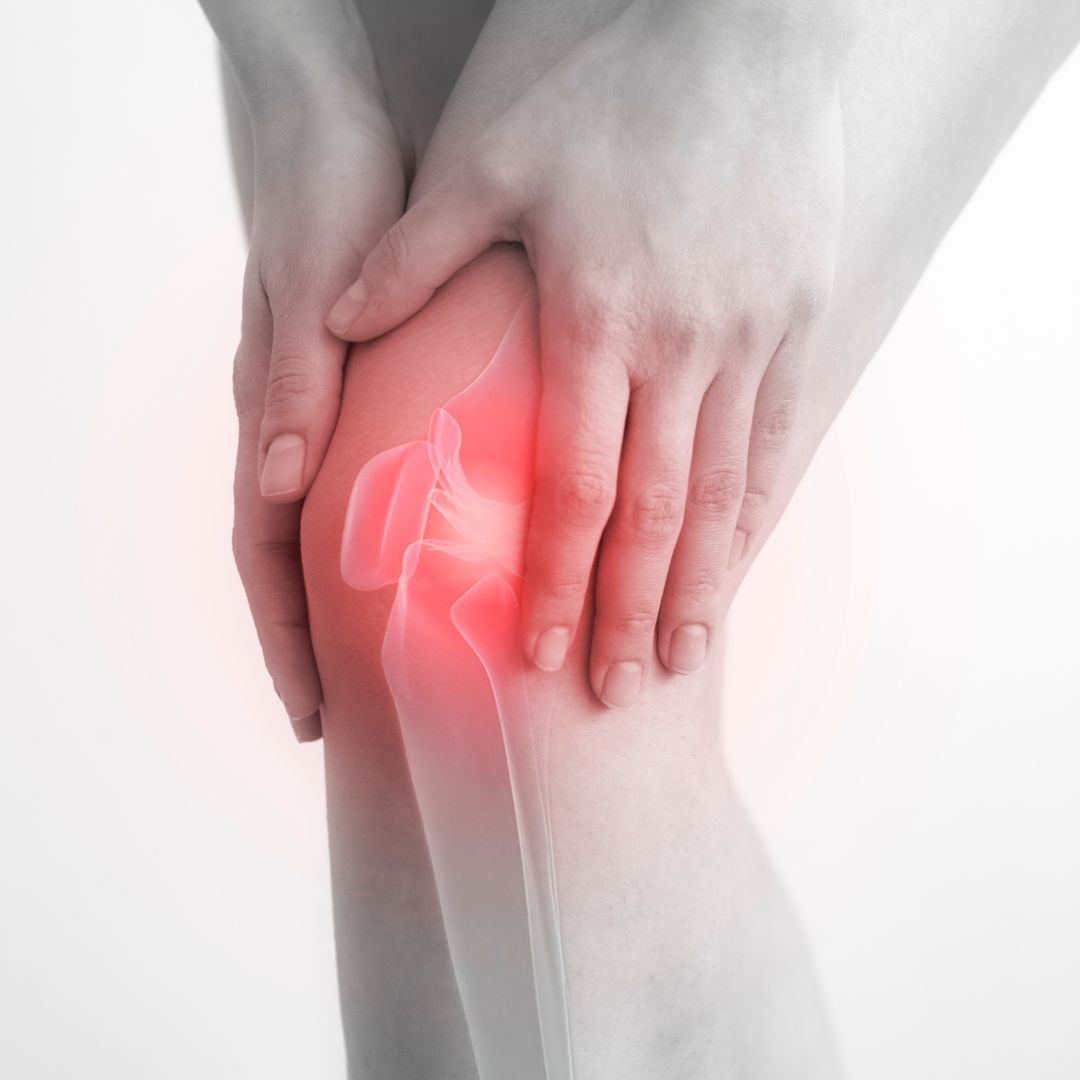
Joint pain often accompanies thyroid diseases, affecting both hypothyroidism and hyperthyroidism. In hypothyroidism, more common in women, myxedema becomes a focal point causing fluid buildup in small and large joints, resulting in painful conditions. Muscular pains, coupled with functional loss, add to the challenge. Joint pain caused by hypothyroidism brings weakness and instability into the mix. The interplay of these factors underscores the complex nature of joint discomfort in the context of thyroid disorders.

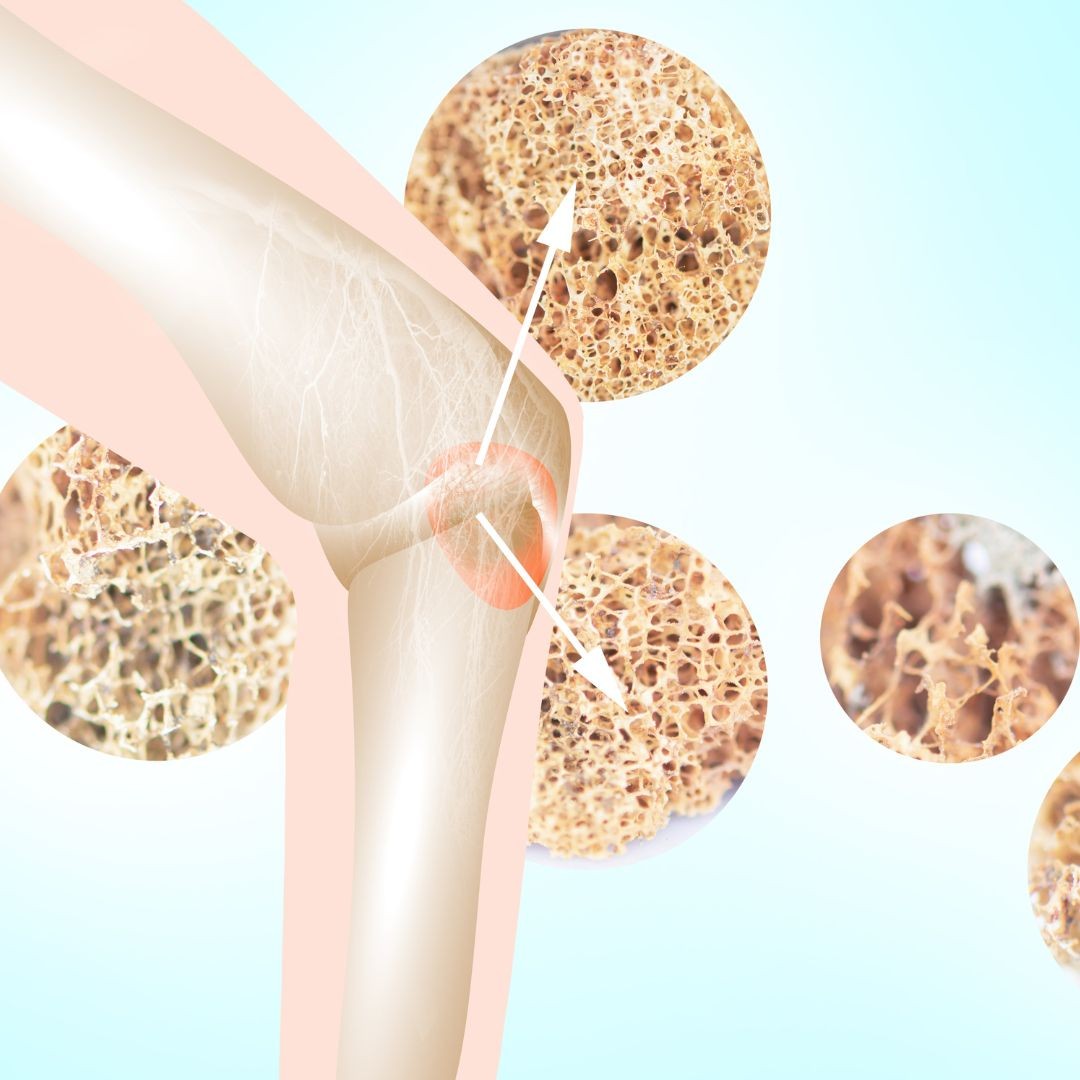
In hyperthyroidism, having too much thyroid becomes a pathway to osteoporosis, a condition where the bones get eaten up and takes a toll on joints, leading to pain. People with hyperthyroidism may also struggle with cramps. Joint pain caused by hyperthyroidism also brings a crampy feeling that ushers in weakness and the chance of stumbling.
Both hypothyroidism and hyperthyroidism reveal their autoimmune nature. This opens the door to the possibility of joint pain caused by another autoimmune disorder, rheumatoid arthritis. However, it's crucial to figure out whether the source is the thyroid or a separate entity of rheumatoid arthritis for accurate and effective treatment.
Understanding these details is vital for personalized care. At Silverline Hospital, we grasp the intricate connection between thyroid disorders and joint health, providing comprehensive care for the overall well-being of our patients. For further information, please consult with Silverline Hospital.

More Blogs
-
Don't Ignore the Tingling: Understanding Diabetes-Related Nerve Problems
Discover the signs of diabetic nerve damage, including tingling, numbness and burning feet. Learn about diagnosis, treatment and nerve care.
-

Can Hypothyroidism Cause Constipation? What You Need to Know
Learn how hypothyroidism causes constipation, which thyroid tests help diagnose it, and how treatment, fibre, hydration and lifestyle changes can help.
-
Hypothyroidism Symptoms: Is Constant Fatigue a Sign of Thyroid Problems?
Discover common hypothyroidism symptoms and learn when constant fatigue may be a sign of thyroid problems.
-

Recognizing Diabetes Symptoms: Early Signs and When to Get Tested
Learn about diabetes symptoms, early warning signs, common risk factors, and when to get tested. Understand what changes to watch for and why early testing can help with timely diagnosis and care.
-

Don't Ignore Hair Loss: Hormonal Changes and Thyroid Problems Could Be the Cause
Learn how hormonal changes and thyroid problems can cause hair loss, the signs to watch for, and when to seek medical evaluation.



Are You at Risk of Diabetes? Find Out Instantly
Early detection can make all the difference
Check My Risk Now!