
 Home
Home  Booking
 Chat Now
  Call Us
 Blog
PCOS Treatment
in Kerala

PCOS Treatment in Kerala: A Woman's Guide to Better Health
 Medically reviewed by: Dr. Tom Babu, Consultant Diabetologist & Endocrinologist - Written by Riya Yacob - Updated on 30/1/2026
For many women of reproductive age in Kerala, the body sometimes sends confusing signals. Perhaps your skin is breaking out more frequently than it did in your teenage years, or maybe you are having trouble controlling your weight despite no change in your diet. These experiences, alongside irregular periods, are the first signs of a condition that affects millions. Polycystic ovary syndrome (PCOS) is a complex hormonal disorder that requires a thoughtful, integrated approach to manage effectively. Understanding more about this condition is the first step toward regaining control of reproductive health and also general well-being. Silverline Hospital stands out for its personalized PCOS treatment Kerala and focuses on why your body behaves this way instead of generic advice.
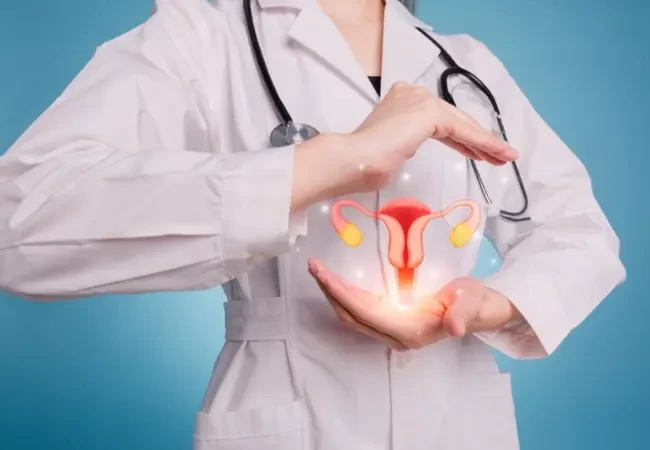
Polycystic Ovary Syndrome
While many women with the condition have small, fluid-filled sacs called ovarian cysts, others do not. The condition is less about the cysts themselves and more about systemic hormonal imbalance. As a result, the ovaries produce more male hormones, known as androgens. This shift spreads through the entire system, affecting the menstrual cycle and also metabolic functions.
This hormonal imbalance can prevent an egg from being released each month, which is why irregular menstruation is such a common symptom. When ovulation does not happen regularly, the womb lining does not shed as it should. It is important to understand that this can lead to unpredictable or missed menstrual periods. Missed cycles can lead to complications over time, so it's very crucial to address the root cause as soon as possible.
PCOS Common Signs & Symptoms
The following are the common signs and symptoms of polycystic ovary syndrome:
- Unpredictable Menstrual Periods
Many women experience a disrupted menstrual cycle where periods are either missing for several months or arriving at very frequent, irregular intervals.
- Excess Hair Growth
You might notice thicker, darker hair on the face, chest, or back, a symptom triggered by an increase in androgen levels.
- Persistent Skin Issues
Stubborn acne that continues into adulthood or patches of oily skin that do not improve with standard skincare routines are frequent indicators.
- Weight Management
A common symptom is rapid weight gain or extreme difficulty losing weight, even when maintaining a consistent diet and activity level.
- Thinning Scalp Hair
Some women notice a gradual thinning of the hair on their heads, which can sometimes resemble hair loss patterns commonly seen in men.
- Darkened Skin Patches
The development of dark patches of skin around the neck, armpits, or groin can signal underlying insulin resistance.
- Presence of Ovarian Cysts
Although not every woman has them, an ultrasound may show several small, fluid-filled sacs within the ovaries.
- Difficulty with Conception
Because the condition affects ovulation, many women find it takes longer to fall pregnant or require medical support to regulate their reproductive health.
- Frequent Fatigue and Mood Shifts
Hormonal imbalances can lead to feelings of constant tiredness or sudden changes in mood and emotional well-being.
The Importance of Diagnosis
Many women spend years wondering why their menstrual cycles are so irregular. A formal diagnosis usually involves a combination of a physical exam, a discussion of your medical history, and specific medical tests. Blood tests measure various hormones and check for signs of insulin resistance or high cholesterol. And in some cases, a doctor might use an ultrasound to look for polycystic ovaries. These appear as a string of small, undeveloped follicles on the ovarian surface. However, having these follicles is not enough for a diagnosis on its own. They must be accompanied by other symptoms like irregular periods or signs of high androgens. A specialist can create personalized treatment plans that address your specific needs. This could be clearing up your skin, regulating cycle, etc.
PCOS Treatment Kerala
No two women experience polycystic ovarian syndrome in the same way, which is why a one-size-fits-all approach rarely works in these cases. At Silverline Hospital, we focus on the individual.
Some women might need help managing weight gain, while others are more concerned with excess hair growth or irregular menstrual cycles.
Our approach to PCOS treatment Kerala involves looking at the long-term health of the woman. We consider her age, her symptoms, as well as her future goals. For some, hormonal balance might be achieved through specific medications that regulate the cycle or block the effects of androgens. For others, the focus might be entirely on metabolic health. By creating a plan that fits into daily life, the treatment becomes much more effective.
Managing Polycystic Ovary Syndrome
- Lifestyle & Nutrition
- Prioritising fresh and whole foods supports better hormonal health.
- Limiting processed sugars while choosing high-fibre meals can improve insulin resistance.
- Engaging in moderate physical activity, such as swimming or yoga, encourages muscles to process excess sugar efficiently.
- Regular and consistent exercise is an effective way to reduce the body's overreliance on insulin.
Adopting these healthy daily habits creates the internal conditions for restoring a regular menstrual cycle. Committing to long-term lifestyle modification is an essential element of any effective PCOS treatment Kerala provides.
Long-Term Health
Women with PCOS have a higher possibility of developing Type 2 diabetes or heart issues later in life if the insulin resistance is not addressed. By taking action now, you invest in your future self.
Regular check-ups and blood tests ensure your safety. As you move through different stages of life, your treatment needs might change. A plan that worked in your twenties might require adjustment in your thirties or forties. Maintaining a relationship with a healthcare provider who understands the complexity of hormonal imbalances ensures you always have support.
Conclusion
Through personalised care, polycystic ovary syndrome can improve body function and lead to better health. With the right guidance and a commitment to self-care, you can find hormonal balance.
By understanding the root causes of your condition and taking proactive steps toward lifestyle modification, Silverline Hospital is dedicated to providing effective PCOS treatment Kerala.
For appointments, please feel free to get in touch with Silverline Hospital.
Frequently Asked Questions
Q1: Is it possible to completely cure PCOS?
A1: No, it is not possible to completely cure PCOS as there is no permanent cure that makes the condition disappear. But it can be managed so effectively that symptoms will go away. Through a combination of lifestyle changes and medical support, most women can regulate their cycles and live a healthy life.
Q2: Why am I gaining weight even though I eat healthy?
A2: Weight gain in PCOS is usually tied to insulin resistance. When your body cannot process sugar properly, it stores it as fat more easily. This makes it harder to lose weight through traditional dieting alone and requires a strategy that focuses on improving insulin sensitivity.
Q3: Can teenagers have PCOS?
A3: Yes, the condition mostly starts to show signs shortly after the first menstrual cycle. If a teenager has very irregular periods, severe acne, or unusual weight gain, it is important to consult a specialist to check hormone levels and start management early.
More Blogs
-

Don't Ignore the Tingling: Understanding Diabetes-Related Nerve Problems
Discover the signs of diabetic nerve damage, including tingling, numbness and burning feet. Learn about diagnosis, treatment and nerve care.
-

Can Hypothyroidism Cause Constipation? What You Need to Know
Learn how hypothyroidism causes constipation, which thyroid tests help diagnose it, and how treatment, fibre, hydration and lifestyle changes can help.
-
Hypothyroidism Symptoms: Is Constant Fatigue a Sign of Thyroid Problems?
Discover common hypothyroidism symptoms and learn when constant fatigue may be a sign of thyroid problems.
-
Recognizing Diabetes Symptoms: Early Signs and When to Get Tested
Learn about diabetes symptoms, early warning signs, common risk factors, and when to get tested. Understand what changes to watch for and why early testing can help with timely diagnosis and care.
-

Don't Ignore Hair Loss: Hormonal Changes and Thyroid Problems Could Be the Cause
Learn how hormonal changes and thyroid problems can cause hair loss, the signs to watch for, and when to seek medical evaluation.



Are You at Risk of Diabetes? Find Out Instantly
Early detection can make all the difference
Check My Risk Now!